Skip to main content
How to Eat Plant-Based in the Winter: A Dietitian’s Guide for the Holidays and Beyond
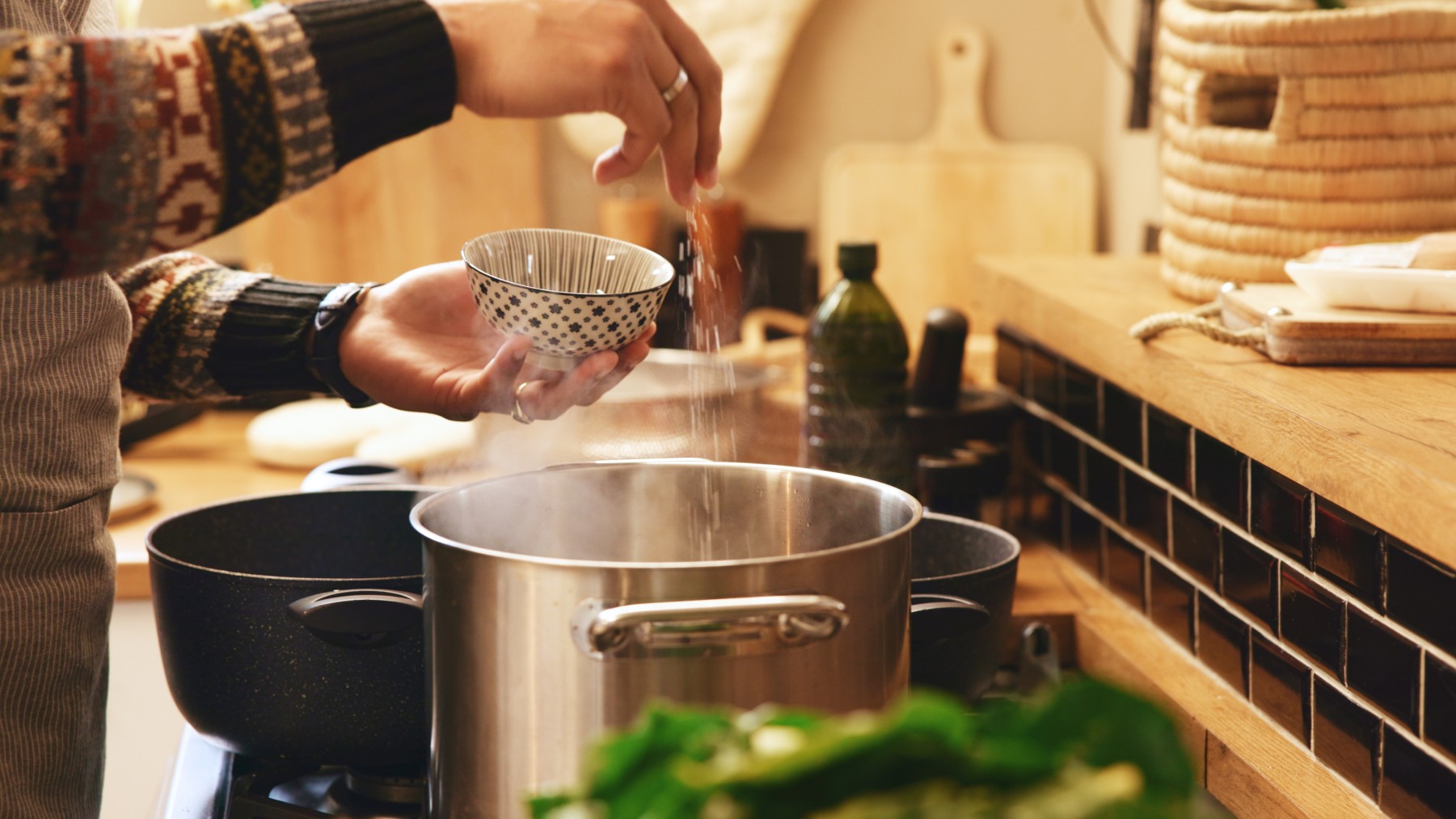
When the weather gets colder, most of us start craving warm, cozy meals—the kind of food that feels comforting. Whether you’re gearing up for the holidays or just trying to stay healthy through the colder months, bringing more plant-based meals into the mix can make things easier, more affordable, and nourishing.
The good news is you don’t have to reinvent your holiday or winter meals. So many cold-weather dishes already lean heavily on plants, and most of the others only need an easy swap or two.
In this guide, we'll walk you through:
- Why plant-based eating makes sense this season (and beyond).
- How to bring cozy, familiar dishes into a plant-based eating pattern.
- Winter plant-based pantry staples and store-bought shortcuts.
- A complete winter holiday spread for under $50.
- Ways to give back this season.
At the end of the guide, you’ll also find our free sweater weather e-cookbook with 40+ recipes available to download at the end of this post.
Why Plant-Based Eating Works So Well in Colder Months
Health Benefits
The colder months tend to bring heavier meals, less daylight, and fewer opportunities to be active. Plant-based comfort foods offer a nourishing, satisfying way to stay grounded in your health goals while still enjoying the season.
Meals centered on fruits, vegetables, whole grains, and legumes are:
- Lower in saturated fat.
- Rich in fiber, supporting digestion, lasting fullness, and key health markers.
- Naturally cholesterol free.
- Packed with immune-supporting nutrients like vitamin C, antioxidants, and phytonutrients.
If you’re curious about topics people often ask about—like protein, carbohydrates, dairy, eggs, or fiber—our nutrition information pages break each one down in an easy, evidence-based way.
You can also explore our health topics library to learn how plant-based eating supports conditions like heart disease, diabetes, breast cancer, migraines, and Alzheimer’s disease.
Affordability
Grocery costs remain high, and the winter holiday season often comes with increased financial pressure. But the foods at the core of most plant-based meals—root vegetables, beans, lentils, oats, rice, onions, garlic, canned tomatoes, frozen vegetables—are some of the most affordable items in the store, which can help keep grocery costs down.
A 2024 JAMA Network Open study found that a low-fat plant-based diet cut grocery costs by nearly 20% compared with a typical diet.
Many cold-weather dishes naturally lend themselves to affordable eating:
- Soups and stews stretch across multiple meals.
- Casseroles and pastas rely on inexpensive pantry staples.
- Winter squash, potatoes, onions, and carrots are cost-efficient and hearty.
- Beans and lentils stay budget friendly year-round.
For more insights on how plant-based eating can save you money, our guide on how to eat plant-based on a budget walks through cost drivers, common pitfalls, and easy ways to save.
How to Eat Plant-Based During The Winter
Cold-Weather Cooking That Still Feels Familiar
One of the biggest surprises for people trying a plant-based winter meal is how familiar everything tastes. Most comfort foods this time of year are already centered on plants:
- Mashed potatoes
- Roasted root vegetables
- Lasagnas and baked pastas
- Casseroles
- Soups and stews
- Oatmeal and warm breakfast bowls
- Spiced desserts like gingerbread or apple bakes
When a dish isn’t already plant-based, the swaps are simple:
- Tofu, tempeh, or textured vegetable protein instead of meat
- Vegetable broth instead of chicken broth
- Nondairy milk for mashing or baking
- Dairy-free ricotta or mozzarella for pasta dishes
- Mushrooms or lentils for savory depth
- Pie crusts and rolls that are already vegan
Winter Staples to Keep on Hand
Cold-weather cooking becomes much easier when your pantry and fridge are stocked with a few go-to staples.
Pantry essentials:
- Lentils
- Beans (canned or dry)
- Oats
- Rice or quinoa
- Pasta
- Canned tomatoes
- Vegetable broth
Produce essentials:
- Sweet potatoes and russets
- Onions and garlic
- Winter squash
- Carrots and celery
- Citrus (to brighten heavier dishes)
Freezer favorites:
- Spinach
- Peas
- Mixed vegetables
- Frozen berries for oatmeal or desserts
These foundational ingredients can be turned into dozens of comforting winter meals.
Store-Bought Shortcuts
There are plenty of nights when cooking from scratch just isn’t realistic. A few plant-based shortcuts can help:
- Ready-made marinara and simmer sauces
- Frozen and canned produce
- Shelf-stable or refrigerated dairy-free gravy
- Precut squash or sweet potatoes
A Complete Plant-Based Winter Holiday Spread for Under $50
Everyday cold-weather meals are one thing, but what we cook for the holidays is in its own category. Holiday food carries emotion, nostalgia, and—let’s be honest—a bit of pressure to put something big and impressive on the table.
According to a recent Physicians Committee/Morning Consult survey, nearly 60% of adults would consider a plant-based holiday meal if they had a good reason to try it. For adults ages 18-34, interest jumps to more than three-quarters. And when people explained what would convince them, cost was a major motivator.
So, with that in mind, let’s take everything we talked about for the broader cold-weather season and apply it to the holidays. Here’s the full spread I’ll be making this year.
Altogether, this spread comfortably serves six people for $48.38 total, or $8.06 per person.
Starter
- Bruschetta — $7.86 (6 servings)
Entrees
- Lasagna With Cashew-Tofu Ricotta — $9.42 (8 servings)
- Creamy Slow Cooker Chickpeas & Rice Casserole — $10.60 (12 servings)
Sides
- Crispy Sage Mashed Sweet Potatoes — $2.98 (6 servings)
- Maple Dijon Green Beans — $2.94 (6 servings)
Dessert Option 1: Festive + Cozy
- No-Bake Iced Gingerbread Bars — $14.58 (20 servings)
Dessert Option 2: Simple + Budget Friendly
- Oatmeal Raisin Cookies — $3.06 (18 servings)
If you go with the cookie option, the full holiday menu comes to $36.86 total ($6.14 per person).
This is the holiday dinner I’ll be enjoying this year. It’s simple, comforting, and built around affordable plant-based ingredients. I hope it sparks a few ideas for your own holiday table.
If You Want More Recipes, We’ve Got You Covered
If you want recipes beyond our winter holiday spread, our free Plant-Based Sweater Weather e-Cookbook includes everything you need.
Inside, you’ll find:
- Cozy starters like Sweet Potato Latkes
- Comforting soups like Creamy Chickpea Pot Pie Soup
- Hearty mains like One-Pot Mushroom Stroganoff
- Delicious desserts like Spiced Vanilla Rice Pudding
You can download the e-cookbook at the end of this post.
Giving Back This Season
Food banks and community organizations feel increased pressure during the colder months. If you’re able, consider:
- Donating items from our Plant-Based Food Donation List to food pantries and banks in your area.
- Assembling plant-based Meal-in-a-Bag Kits and donating them to food pantries and banks in your area.
If you’d also like to support the broader work we’re doing to advance nutrition, improve public health, and build a more compassionate food system, you can make a gift to the Physicians Committee. Any amount—large or small—helps strengthen our research, education, and advocacy efforts. Donations of $20 or more include a yearlong membership and a subscription to Good Medicine, our member magazine.
Small contributions can make a meaningful difference for families trying to stay warm and fed during this time of year.
Conclusion
Plant-based eating isn’t about giving up the meals you love during cold weather. It can be about leaning into warmth, flavor, and comfort while keeping things affordable, nourishing, and accessible.
Whether you’re hosting, cooking for your household, or simply trying to eat well as temperatures drop, plants offer an easy path to delicious, nourishing, and budget-friendly meals all season long.
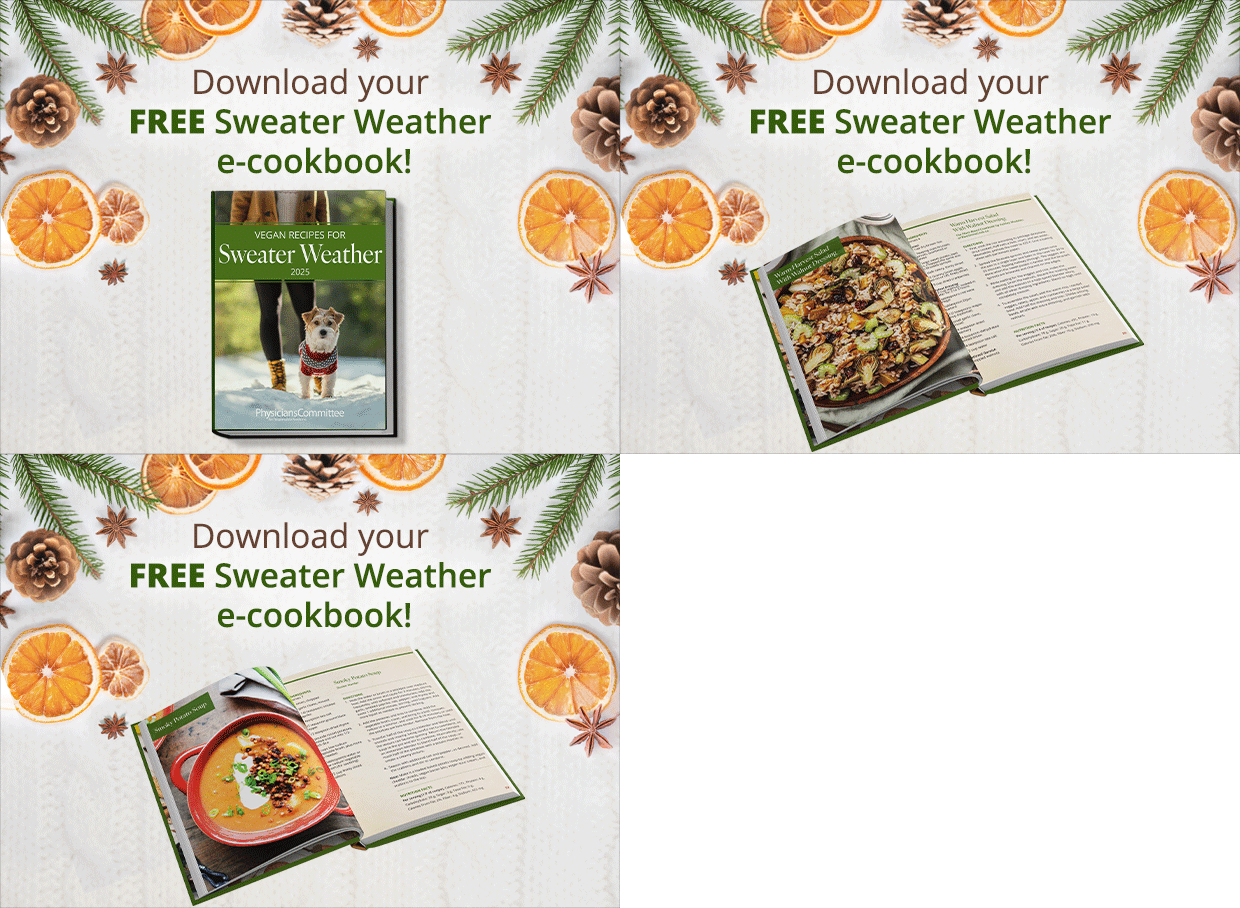
Download our free sweater weather e-cookbook to access 40+ wholesome, plant-based holiday recipes. Fill out the form below to get your copy.

Xavier Toledo, MS, RD, LDN
Xavier is a plant-based registered dietitian passionate about making nutrition education engaging and accessible. He bridges the science with practical guidance, helping people translate evidence-based recommendations into simple, actionable steps for everyday life.