Skip to main content
Making Animal Experiments the Exception: The Physicians Committee’s Road to FDA Reform

In April 2025, the U.S. Food and Drug Administration (FDA) released its Roadmap to Reducing Animal Testing in Preclinical Safety Studies—a landmark initiative that lays out a plan to make animal experiments the exception rather than the norm in drug development. This milestone reflects years of sustained advocacy, scientific collaboration, and policy leadership by the Physicians Committee for Responsible Medicine and our partners.
For more than a decade, the Physicians Committee has worked to remove outdated animal testing requirements from FDA regulations, create clear pathways for evaluating nonanimal methods, and ensure regulators are equipped to use and trust these newer approaches. Physicians Committee scientists and policy experts have consistently engaged with the FDA and federal advisory bodies by submitting public comments, participating in meetings, and providing technical input. This includes regular engagement with the Interagency Coordinating Committee on the Validation of Alternative Methods (ICCVAM), the Scientific Advisory Committee on Alternative Toxicological Methods (SACATM), and the FDA’s Drug Development Tool Qualification Programs. The Physicians Committee also maintains a sustained presence at many scientific conferences—particularly at the Society of Toxicology annual meeting—where we routinely present on new approach methods (NAMs) implementation and host ancillary events to drive nonanimal method adoption among regulators, industry, and researchers.
The following timelines further outline the Physicians Committee’s key actions and accomplishments that have helped initiate FDA reforms and reduce reliance on animal testing. Through these efforts, the Physicians Committee has helped accelerate the shift toward more predictive, ethical, and human-specific science.
Sections
- Removing Requirements for Animal Testing
- Evaluating New Technologies
- Replacing Horseshoe Crab Blood
- Accepting Nonanimal Methods for Sunscreens
- Training Scientists in New Methods
- Agencywide Coordination
- Animal-Free Cosmetics Testing
- Modernizing Tobacco Product Evaluation
- Replacing Animal Tests in Protein Content Claims
- Looking Ahead
Removing Requirements for Animal Testing
Requirements in FDA regulations for animal testing have long been a barrier to the broader implementation of nonanimal methods. Because regulations are legally binding rules set by the agency, companies seeking FDA approval for their medical products must adhere to these written rules. Many of these regulations were developed long before nonanimal technologies were common and have not been updated as science has evolved. As such, they uphold the traditional drug development paradigm based on animal testing—certain regulations require the submission of data from animal tests and do not clearly allow for all nonanimal approaches. To reduce the risk of delays or refusals in FDA approvals, companies will often conduct animal testing to meet these requirements, even if the information produced does not inform human safety and efficacy. Broadening these regulatory requirements to accept data from any suitable approach, whether animal-based or not, will provide industry the necessary clarity and confidence that nonanimal test methods can be employed in place of animal tests.
After years of Physicians Committee advocacy, many federal agencies have recognized the need to reform these outdated rules. The Make America Healthy Again (MAHA) Strategy calls for discarding animal testing requirements, which can impose costs and delays without improving safety. The FDA’s Roadmap to Reducing Animal Testing also commits to updating and creating guidance documents, which provide additional detail on testing recommendations and explain how nonanimal methods can be applied. Since releasing the Roadmap, the FDA issued draft guidance recommending significantly reducing or replacing many animal tests for monoclonal antibodies. It also launched a webpage with information on existing guidance allowing for NAMs. And both the US House and Senate have passed the FDA Modernization Act 3.0, a law that would require the FDA to update many regulations.
In 2026, the FDA addressed this long-standing issue by making a critical change to many of its regulations, a reform the Physicians Committee has advocated for over many years. Rather than specifying animal tests as the only way to evaluate new products, many regulations now integrate broader language that allow for nonanimal methods—meaning, companies can clearly rely on cell- and computer-based approaches instead of animals to meet most legal requirements in drug testing. While the FDA can still choose to require certain animal testing, its regulations no longer make animal testing the default in the provisions that were amended. The necessary update will help shepherd in improved human-relevant approaches and reduce the use of harmful and burdensome animal tests.
Key actions:
2017:
- Hosted a roundtable with representatives from federal agencies, pharmaceutical companies, academia, technology developers, and nongovernmental organizations to identify barriers to use of nonanimal methods in drug development.
- Identified 235 FDA regulations that must be changed to prioritize nonanimal test methods and submitted them to the FDA’s Regulatory Reform Task Force.
- Published an op-ed in STAT, “FDA Drug Testing Doesn’t Have to Sacrifice Safety, or Animals, for Speed.”
2018:
- Hosted another roundtable with representatives from federal agencies, pharmaceutical companies, academia, technology developers, and nongovernmental organizations to discuss implementing nonanimal methods in drug development.
2019:
- Published our coalition’s priorities for FDA reform in Drug Discovery Today.
- Secured a letter from Congress to the FDA commissioner requesting the agency remove animal testing mandates and establish a mechanism to accept nonanimal methods.
- Organized a congressional briefing, Revolutionizing Drug Development With Human-Relevant Innovations: A Showcase and Briefing on Nonclinical Technologies, highlighting regulatory barriers.
- Presented at a congressional briefing, Ending Dog Testing in FDA Drug Development Process, with Vanda Pharmaceuticals, which sued the FDA for blocking clinical trials of its drug until it conducted a nine-month dog test.
2020:
- Secured report language in Fiscal Year 2021 Appropriations legislation directing the FDA to modify regulations to accept nonanimal approaches and create a program for evaluating them.
- Published an analysis to document animal use and identify opportunities for reduction/replacement in testing to evaluate acute systemic toxicity, skin and eye irritation/corrosion, and skin sensitization in 125 FDA reviews of approved new drug applications.
2021:
- Provided edits to FDA Modernization Act draft language at congressional request.
2023:
- Secured report language in Fiscal Year 2024 Appropriations legislation directing the FDA to report on the status of the New Alternative Methods Program, including communications with regulated industry regarding acceptance of nonanimal methods.
- Published an analysis to document animal use and identify opportunities for reduction/replacement in testing to evaluate carcinogenicity in 158 FDA reviews of approved new drug applications.
2025:
- Secured report language in Fiscal Year 2026 Appropriations legislation supporting FDA initiatives to reduce and replace animal testing and advance nonanimal methods, directing the FDA to revise regulations to remove animal testing requirements and report on progress.
- Participated in stakeholder negotiations with the FDA for the Prescription Drug User Fee Act (PDUFA) VIII reauthorization and advocated for modernizing guidance to support NAMs use.
Evaluating New Technologies
Beyond removing old mandates, regulators must establish mechanisms to evaluate and accept nonanimal technologies. Without certainty that the FDA will accept a given method, companies may default to animal testing.
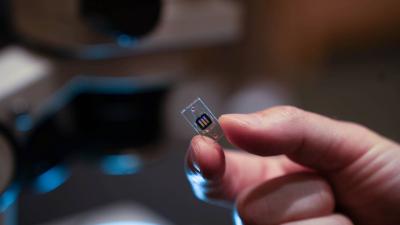
To address this, the Physicians Committee pushed for a pathway to be established in which nonanimal methods could be evaluated and approved for use in regulatory testing. In 2020, the FDA made huge progress by launching such a pathway, called the Innovative Science and Technology Approaches for New Drugs (ISTAND) program. ISTAND enables sponsors to qualify nonanimal methods for specific regulatory uses, so that once approved, they can be applied broadly. ISTAND was elevated from a pilot to a permanent program in 2025 and is featured in the FDA’s Roadmap to Reducing Animal Testing. While no methods have been fully qualified through ISTAND yet, there has been an increasing number of NAMs accepted into the program. The first artificial intelligence technology was accepted in 2026, and a liver-chip has entered the final stage of the qualification process.
Key actions:
2017:
Hosted a roundtable with representatives from federal agencies, pharmaceutical companies, academia, technology developers, and nongovernmental organizations, where we identified the need for a pathway for the FDA’s acceptance of nonanimal approaches.
2019:
- Secured a letter from Congress to the FDA commissioner requesting that the agency remove mandates for animal testing from its regulations and establish a mechanism to accept nonanimal methods.
- Published our coalition’s priorities for FDA reform in Drug Discovery Today.
- Published an op-ed in STAT, “FDA Should Use Its Existing Program to Qualify New Tools for Drug Safety Testing.”
2020:
- Co-authored a manuscript with FDA authors describing the need for such a program.
- Secured report language in Fiscal Year 2021 Appropriations legislation directing the FDA to modify regulations to accept nonanimal approaches, create a program for evaluating these methods, and report on progress.
- Participated in stakeholder negotiations with the FDA for the PDUFA VII reauthorization and advocated for a pathway to evaluate and accept nonanimal approaches.
2021:
- Secured report language in Fiscal Year 2022 Appropriations legislation that supports the assessment of nonanimal approaches through the ISTAND program.
2022:
- Secured report language in Fiscal Year 2023 Appropriations legislation that supports the assessment of nonanimal approaches through the ISTAND program.
2025:
- Participated in stakeholder negotiations with the FDA for the PDUFA VIII reauthorization and advocated for expanding the capacity of the ISTAND program.
Replacing Horseshoe Crab Blood
Every batch of vaccines and injectable medical products must be tested for endotoxins, a bacterial contaminant that can cause severe fever and death. The default test that the FDA has accepted for decades uses blood from horseshoe crabs, requiring these animals to be transported to bleeding facilities where their blood is drained through a needle in their heart. Fortunately, synthetic endotoxin testing methods exist that are entirely lab-made, are more reliable, and can completely replace the use of horseshoe crab blood.
Following years of Physicians Committee-led advocacy, an important policy change was made that opened the door for companies to begin using synthetic approaches for testing new products. In 2024, the U.S. Pharmacopeia (USP), an independent organization that sets industry standards in pharmaceutical testing and manufacturing, added a chapter allowing synthetic endotoxin test methods to be used. The FDA’s outdated 2012 guidance, however, disincentivizes use of the synthetic methods. Updating this endotoxin guidance to reflect scientific progress is key to supporting industry’s adoption of superior synthetic methods. In a 2025 workshop, the FDA identified replacing horseshoe crabs in endotoxin testing as an immediate action the FDA can take to reduce animal use.
The FDA did act to update the outdated endotoxin guidance in 2026, but unfortunately, it fell short in explicitly incorporating synthetic approaches. As such, additional FDA action is necessary to fully recognize the synthetic methods and clarify how companies can transition their testing protocols.
Key actions:
2020:
- Joined the Horseshoe Crab Recovery Coalition, which works to protect the survival of horseshoe crabs.
- Organized a congressional briefing with the coalition on replacing horseshoe crab-blood-based bacterial endotoxin tests, A Virtual Briefing on Overcoming Barriers to Use of Methods That Conserve Wildlife While Maintaining Human Safety.
- Secured a letter from Sen. Cory Booker (N.J.) to the USP requesting the acceptance of horseshoe crab replacement methods in USP policy.
2021:
- Convened a working group of representatives from industry, materials suppliers, the FDA, and others to provide the USP with data for the regulatory acceptance of synthetic endotoxin testing approaches.
2022:
- Trained 240+ FDA staff on synthetic methods to replace the use of horseshoe crabs for detecting endotoxins in injected therapies, vaccines, medical devices, and other products.
2023:
- Advocated successfully for turnover in the USP committee charged with reviewing synthetic methods—the new committee, which included Physicians Committee allies, determined that synthetic methods are a suitable substitute for the animal test.
2024:
- Joined efforts to secure approval from the USP on the suitability of horseshoe-crab-free methods for vaccines, medical devices, and other injectables, proposing a policy change that will allow for its use for new products.
- Hosted a workshop bringing industry representatives to the New Jersey coast to discuss reasons to transition to synthetic methods and remaining barriers, while observing the horseshoe crab spawn.
2025:
- Hosted another workshop bringing industry representatives to the New Jersey coast to discuss progress in transitioning to synthetic methods and remaining barriers, while observing the horseshoe crab spawn.
- Secured report language in Fiscal Year 2026 Appropriations legislation directing the FDA to update guidance on endotoxin testing to accept synthetic methods for new and existing products and to provide staff training on these methods.
2026:
- Met with FDA leadership to discuss the need for further FDA action on the recently updated endotoxin guidance, as well as training to ensure that all FDA reviewers are equipped to evaluate NAMs, and updates to other outdated guidance that continues to call for animal testing.
Accepting Nonanimal Methods for Sunscreens
Because sunscreens are considered nonprescription drugs in the United States, they are required to be tested on animals. Innovative sunscreen filters that are in wide use globally with years of safety and efficacy data in humans are not FDA approved due to the burdensome regulatory approval process, leaving the United States decades behind and hindering Americans’ access to more appealing sunscreen products. The FDA also requests that companies conduct new animal tests for many sunscreen filters that have been safely used in the U.S. market for decades.
The Physicians Committee is working to ensure the FDA leverages the wealth of historical human data and uses nonanimal methods to fill any gaps, rather than requiring more animal testing. Human data, not animal data, should be the standard for determining sunscreen safety. The 2025 FDA Roadmap and MAHA Strategy both commit to improving sunscreen evaluation through human data and nonanimal innovation. The FDA released a statement encouraging companies to continue developing nonanimal methods, and legislation now mandates that the FDA incorporate nonanimal approaches for making sunscreen determinations.
Key actions:
2019:
- Submitted public comments on proposed rule, Sunscreen Drug Products for Over-the-Counter Human Use, to provide existing safety data and recommend nonanimal test methods to establish that 12 active ingredients are generally recognized as safe and effective for use in sunscreens.
2023:
- Presented at a congressional briefing, Safer Under the Sun, on the importance of accepting nonanimal tests to improve sunscreen safety and innovation.
- Joined the International Collaboration on Cosmetics Safety (ICCS), which works to advance the adoption of animal-free cosmetics safety assessments.
2025:
- Supported passage of the SAFE Sunscreen Standards Act, a bill that requires consideration of nonanimal approaches and real-world human data in the evaluation of sunscreen ingredients.
2026:
- Co-hosted a webinar series, The Future of Safe Sunscreens: Assessment Without Animal Testing, as part of our NAMs Use for Regulatory Assessment (NURA) training program, which featured global perspectives from industry, government, and academic representatives.
Training Scientists in New Methods
To successfully transition away from animal experiments, it is necessary to ensure that regulators and scientists are well informed about nonanimal methods. As a key step in the FDA’s adoption of nonanimal methods, the agency committed to providing training workshops for staff on interpreting data from various human-relevant models to build expertise and improve comfort and consistency with nonanimal data in its Roadmap to Reducing Animal Testing.
Key actions:
2018:
- Launched our New Approach Methodology (NAM) Use for Regulatory Application (NURA) training program, a continuing education program that provides toxicology professionals with specialized resources and hands-on training in nonanimal methods, which has provided training to more than 5,000 scientists, including FDA staff and regulators across all divisions.
- Launched our Engaging Researchers in Animal-Free 21st Century Science (ERA21) program, designed to educate and support scientists committed to advancing nonanimal methods for research and testing through workshops, travel awards, and other resources.
2020:
- Hosted our first biennial Summer Immersion on Innovative Approaches in Science program for researchers to learn about nonanimal methods in research and testing, a fully virtually program attracting more than 600 participants worldwide for scientific lectures, e-poster presentations, professional development sessions, and more.
2022:
- Hosted our second Summer Immersion at the North Carolina Biotechnology Center, where researchers participated in lectures, workshops, laboratory tours, and demonstrations focused on replacing animal tests in toxicology and medical research.
2024:
- Hosted our third Summer Immersion, held in Washington, D.C., bringing researchers from all over the world to learn from experts and gain practical skills in applying nonanimal methods for improved research and testing.
2025:
- The Summer Immersion program won the Translational Science Education and Training Challenge Award from the NIH’s National Center for Advancing Translational Sciences—this award recognizes exemplary models of translational science education and training.
- Participated in stakeholder negotiations with the FDA for the PDUFA VIII reauthorization and advocated for training staff on interpreting NAMs data.
2026:
- Hosted our fourth Summer Immersion, in collaboration with the Johns Hopkins Center for Alternatives to Animal Testing, a four-day educational and training event on nonanimal methods for medical research and regulatory testing.
Agencywide Coordination
Cultural and structural inertia have long slowed progress toward nonanimal testing. Although the FDA has sought to advance nonanimal methods for years, releasing strategy documents and launching programs, efforts have lacked coordination and strong backing from agency leadership until recently.
With the launch of the FDA’s Predictive Toxicology Roadmap in 2017, the FDA outlined a framework of priorities and engagement in nonanimal testing strategies. In 2019, the FDA established the Alternative Methods Working Group to further identify goals. In 2023, the FDA received funding to launch the New Alternative Methods Program, which intended to spur the adoption of nonanimal technologies through centralized coordination with engagement across centers. Then, the Science Board to the FDA released a report in 2024 on driving the integration of nonanimal methods, which called for a central office to lead effective execution of nonanimal methods strategies, among other useful recommendations.
After all these steps, in 2025, the FDA made its strongest commitment ever to phasing out animal testing for drugs with its Roadmap to Reducing Animal Testing, a stepwise plan to transition all nonclinical toxicity testing to nonanimal methods, beginning with monoclonal antibody therapies. The agency is collaborating with the National Institutes of Health’s new Office of Research, Validation, and Application, formally launched in 2026, a centralized office for developing, evaluating, and scaling the use of nonanimal methods.
As stated in the FDA’s 2025 Roadmap, “FDA will aim to make animal studies the exception rather than the norm for pre-clinical safety/toxicity testing.” This is the type of strategic vision that will allow for substantive progress in reducing animal testing.
Key actions:
2020:
- Participated in stakeholder negotiations with the FDA for the PDUFA VII reauthorization and advocated for an agencywide implementation plan for reducing and replacing animal tests.
2022:
- Secured $5 million in Fiscal Year 2023 Appropriations legislation for reducing animal testing at the FDA—with the funding, the FDA launched the New Alternative Methods Program.
2023:
- Secured $1.5 million in Fiscal Year 2024 Appropriations legislation for reducing animal testing at the FDA;
- Secured report language in Fiscal Year 2024 Appropriations legislation directing the FDA to report on the status of the New Alternative Methods Program, including goals, timelines, and metrics to measure impact.
2025:
- Secured report language in Fiscal Year 2026 Appropriations legislation supporting FDA initiatives to reduce and replace animal testing and advance nonanimal methods, directing the FDA to revise regulations to remove animal testing requirements, and report on progress.
- Testified before the U.S. House Oversight and Government Reform Subcommittee on Cybersecurity, Information Technology, and Government Innovation on wasteful federal spending on animal research.
- Participated in stakeholder negotiations with the FDA for the PDUFA VIII reauthorization and advocated for training staff on interpreting NAMs data.
Animal-Free Cosmetics Testing
For decades, animals have been poisoned and killed for the sake of developing a new lotion or lipstick. Public demand and global progress have driven the movement to end animal testing for cosmetics. Many U.S. states and countries around the world have now banned or limited animal testing for cosmetics.
In 2018, the Physicians Committee lobbied to pass the first statewide ban on animal-tested cosmetics in the United States, the California Cruelty-Free Cosmetics Act. This law makes it illegal for cosmetics manufacturers to sell any cosmetic in California if the final product or any of its components were tested on animals, with some exceptions for regulatory requirements. Since then, other states have followed suit to enact similar laws.
The FDA does not specifically require animal testing for cosmetics as it does for pharmaceuticals and other medical products—it allows companies to employ any effective testing for substantiating product safety. With global demand for “cruelty-free” products rapidly increasing, companies are making the shift to nonanimal testing. Further FDA encouragement for the use of nonanimal methods or federal restrictions on animal testing will accelerate this shift.
Key actions:
2018:
- Partnered with Social Compassion in Legislation to co-sponsor and pass the California Cruelty-Free Cosmetics Act, which, with some exceptions, banned the sale in California of new cosmetics tested on animals.
2022:
- Secured congressional support for animal-free testing of cosmetics in the Modernization of Cosmetics Regulation Act.
2023:
- Secured report language in Fiscal Year 2024 Appropriations legislation reiterating that animal testing should not be used for safety testing of cosmetics.
- Joined the International Collaboration on Cosmetics Safety (ICCS), which works to advance the adoption of animal-free cosmetics safety assessments.
2026:
- Presented at a congressional briefing, hosted by the Personal Care Products Council, in support of the Humane Cosmetics Act.
Modernizing Tobacco Product Evaluation
Under the FDA’s tobacco regulations, manufacturers seeking authorization for new tobacco or nicotine products must submit premarket applications that often include animal toxicity data. This animal testing persists even though clinical testing is generally required. The Physicians Committee has worked to ensure that the Center for Tobacco Products adopts modern, nonanimal approaches for evaluating product safety, where needed, and allows preclinical data derived from analytical and nonanimal toxicological methods to support clinical studies.
Key actions:
2014:
- Participated in the Institute for In Vitro Sciences’ workshop, Assessment of In Vitro COPD Models for Tobacco Regulatory Science.
2015:
- Published an overview of in vitro toxicology studies of tobacco products.
2019:
- Submitted public comments on proposed rule, Premarket Tobacco Product Applications and Recordkeeping Requirements, to recommend language, subsequently incorporated, that animal toxicity testing may be considered only to address unique toxicology issues that cannot be addressed by alternative test methods.
2023:
- Met with Center for Tobacco Products leadership to recommend the establishment of nonanimal preclinical data requirements for using new products in clinical trials with current tobacco users.
Replacing Animal Tests in Protein Content Claims
Food manufacturers seeking to make protein content claims are currently required to use animal tests to assess protein digestibility. We are working with the FDA to update these standards by replacing animal-based digestibility tests with nonanimal approaches.
Key actions:
2024:
- Organized an expert roundtable discussion on replacing animal testing requirement to evaluate protein digestibility when content claims are made on food labeling.
Looking Ahead
The FDA’s Roadmap to Reducing Animal Testing marks a turning point in drug regulation and scientific innovation. After years of persistent efforts by the Physicians Committee and our allies, the agency is embracing a future in which animal testing is replaced with more predictive and ethical approaches. We remain committed to ensuring these reforms are carried out in every FDA policy and program to advance animal-free, human-based science.