Skip to main content
Doctors Group Applauds FDA Proposed Guidance to Reduce Animal Experiments in Drug Development
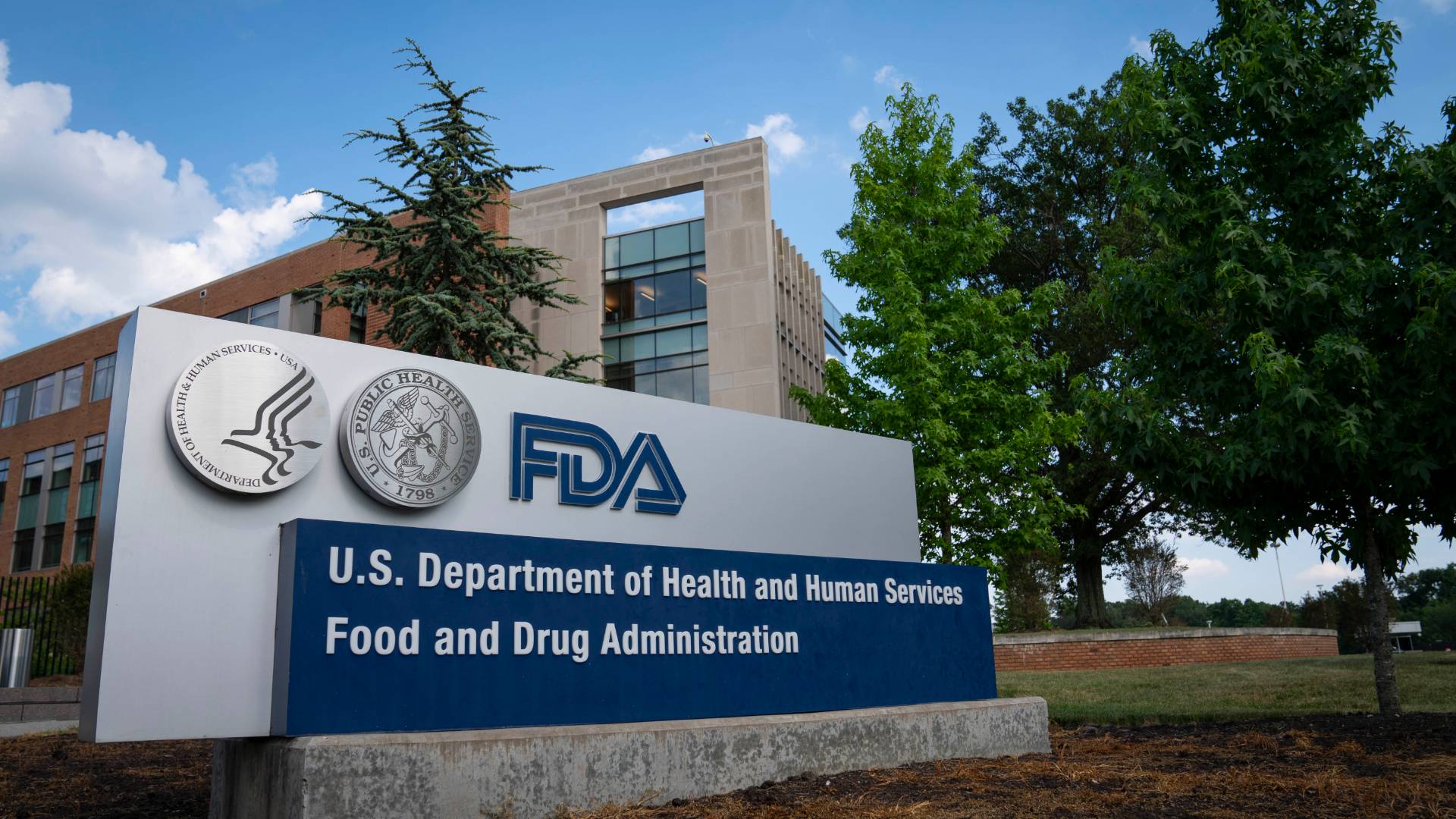
WASHINGTON, D.C.—The Physicians Committee for Responsible Medicine applauds the Food and Drug Administration’s newly released draft guidance, Monoclonal Antibodies: Streamlined Nonclinical Safety Studies, which outlines reductions in animal experiments—including nonhuman primates. When finalized, the guidance could accelerate the shift toward modern, human-relevant science and reduce the cost and time required to bring lifesaving therapies to patients.
According to the draft guidance, the FDA recommends eliminating or significantly reducing primate, dog, and mini-pig experiments for specific monoclonal antibodies. The Agency explicitly encourages sponsors to use new approach methodologies (NAMs) to replace the use of animals for safety studies.
An article published in the Financial Times underscores the magnitude of this change, noting that six-month primate toxicology studies can involve more than 100 macaques at roughly $50,000 per animal—costs that ultimately raise drug prices for patients. Beyond the costs, human-relevant nonanimal tests are better able to predict drug safety, a point made salient with the high-profile failures of TGN1412 and hu5c8. These two monoclonal antibody drugs were both shown to be safe in rodent and monkey experiments but led to life-threatening complications in human volunteers. Critically, these human toxicities are detectable using NAMs.
“This is a turning point not only for the animals used in experiments, but also for medical innovation, patient safety, and public trust,” says Janine McCarthy, MPH, acting director of research policy for the Physicians Committee for Responsible Medicine. “By embracing modern, human-specific approaches, the FDA is signaling that the future of drug development must be faster, safer, and free from animal experiments that fail to predict human safety.”
Human-relevant methods like organ chip technologies enable scientists to screen drug candidates much faster; in one case study from Emulate Bio, NAM tests were more predictive, three times faster and less than one-tenth the cost of primate experiments. The FDA’s draft guidance illustrates a broader scientific recognition that many animal experiments provide little or no predictive value for human outcomes. These reforms follow a growing shift across federal agencies. Recently on November 21, the Centers for Disease Control and Prevention announced it would end all monkey experiments.
“This draft guidance is a major step toward a future where lifesaving treatments reach patients more quickly, drug costs come down, and fewer animals suffer,” McCarthy adds.
The Physicians Committee encourages the FDA to finalize the guidance swiftly and to continue expanding the use of NAMs across all therapeutic areas. The organization also calls on the National Institutes of Health to align its funding priorities with these advances and accelerate the phase-out of primate experiments across federally supported research.
For more information or to speak with Ms. McCarthy, please contact Reina Pohl at 202-527-7326 or rpohl [at] pcrm.org (rpohl[at]pcrm[dot]org).
Physicians Committee Media Contact
Reina Pohl, MPH
202-527-7326
rpohl[at]pcrm.org
Founded in 1985, the Physicians Committee for Responsible Medicine is a nonprofit organization that promotes preventive medicine, conducts clinical research, and encourages higher standards for ethics and effectiveness in education and research.