Skip to main content

Select a Section
Reversing Diabetes is grounded in decades of clinical research showing that type 2 diabetes doesn’t have to be a one-way street. Here’s what we mean by reversal, what’s happening in the body, and what the evidence shows.
What Does “Reversing” Mean?
Diabetes reversal means bringing blood sugar from diabetic levels back into the normal range by addressing the root problem: insulin resistance. For some people, that means maintaining healthy blood sugar without diabetes medication. Medical organizations often call this “remission.” For others, especially those who have lived with diabetes for many years, reversal may look like major improvements in blood sugar that take more time and happen alongside their treatment plan.
What’s Really Driving Type 2 Diabetes
Many people assume type 2 diabetes is simply a matter of eating too much sugar. The science points in a different direction.
At the heart of the disease is insulin resistance, when the body can’t use insulin properly to move sugar out of the blood and into the cells that need it. One of the key drivers is fat building up inside muscle and liver cells, where it interferes with insulin signaling. This buildup is linked to excess calories and saturated fat, which is found mostly in animal products and in coconut and palm oils.
The encouraging news is that this process can be addressed. A change in diet built around everyday foods like whole grains, beans, vegetables, and fruit can reduce this fat and help insulin work the way it should. Insulin sensitivity can begin improving within weeks, and clinical research has shown this approach can lower blood sugar and help many people reduce their need for medication.
Who Can Benefit?
People who were recently diagnosed with type 2 diabetes or prediabetes often see the most dramatic results, and many can bring their blood sugar back into the normal range through diet changes.
People who have lived with type 2 diabetes for many years can still see significant improvements, though progress may take longer and often works alongside medication.
Type 1 diabetes cannot be reversed, because it’s an autoimmune condition. But the same dietary approach can make it easier to manage and may reduce the amount of insulin needed.
Family history matters, but it isn’t destiny. Diet and lifestyle play a major role in whether type 2 diabetes develops and how it progresses, even for people with a genetic risk.
What the Research Shows
Better results than standard diabetes diets
In a 22-week study published in Diabetes Care, a low-fat, plant-based diet lowered HbA1c (a measure of average blood sugar) by 1.2 points, about three times the improvement seen with the American Diabetes Association’s recommended diet. Forty-three percent of participants on the plant-based diet were able to reduce their diabetes medications, compared with 26% in the ADA group. [1]
Clearing fat from inside cells
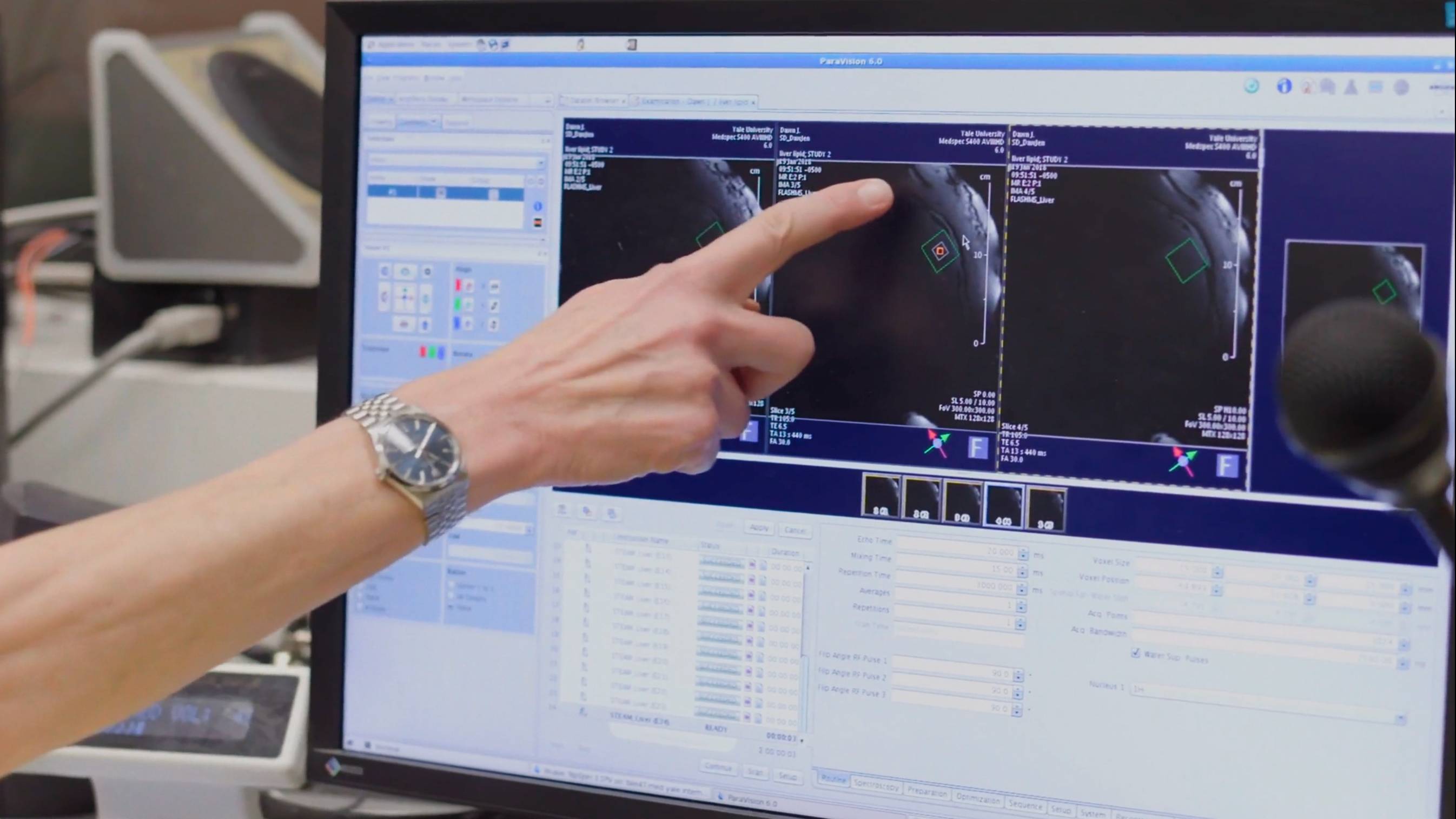
A clinical trial found that a low-fat, plant-based diet reduced fat inside liver cells by 34% and inside muscle cells by 10%, changes linked to improved insulin sensitivity. [2]
Fast changes in insulin function
Compared with the DASH diet, a whole-food, plant-based diet improved insulin function and blood sugar and lowered insulin doses after just seven days. [3]
Benefits from a single meal.
A clinical study published in Nutrients compared the immediate effects of eating a meat burger versus a plant-based tofu burger. The researchers found that after eating the tofu burger, people with type 2 diabetes produced higher levels of insulin and beneficial gut hormones (incretins). This shows that plant-based meals can immediately improve the health of insulin-producing cells, offering a powerful tool to help reverse insulin resistance. [4]
More research available here.
Common Myths
“Diabetes is caused by eating too much sugar.”
Type 2 diabetes is driven by insulin resistance, largely caused by fat building up inside liver and muscle cells. Excess calories and saturated fat play a much larger role than sugar alone.
“People with diabetes should avoid fruit.”
Whole fruit contains natural sugar packaged with fiber, vitamins, and antioxidants, which slows absorption. Research shows eating fruit is linked to a lower risk of developing type 2 diabetes and can fit into a healthy diet for people who already have it.
“A low-carb diet is the best way to control blood sugar.”
Cutting carbs can lower blood sugar readings in the short term, but it doesn’t fix insulin resistance, and diets heavy in animal fat and protein can make insulin function worse over time. Complex carbohydrates like whole grains and beans, paired with plenty of fiber, help address the root cause.
Disclaimer
This information is for educational purposes and is not medical advice. If you have diabetes, talk with your health care provider before changing your diet or medications, as your treatment may need to be adjusted as your blood sugar improves.
References
- Barnard ND, Cohen J, Jenkins DJA, et al. A low-fat vegan diet improves glycemic control and cardiovascular risk factors in a randomized clinical trial in individuals with type 2 diabetes. Diabetes Care. 2006;29(8):1777-1783. doi:10.2337/dc06-0606
- Kahleova H, Petersen KF, Shulman GI, et al. Effect of a low-fat vegan diet on body weight, insulin sensitivity, postprandial metabolism, and intramyocellular and hepatocellular lipid levels in overweight adults: a randomized clinical trial. JAMA Netw Open. 2020;3(11):e2025454. doi:10.1001/jamanetworkopen.2020.25454
- Campbell TM, Campbell EK, Attia J, et al. The acute effects of a DASH diet and whole food, plant-based diet on insulin requirements and related cardiometabolic markers in individuals with insulin-treated type 2 diabetes. Diabetes Res Clin Pract. 2023:202:110814. doi:10.1016/j.diabres.2023.110814
- Kahleova H, Tura A, Klementova M, et al. A plant-based meal stimulates incretin and insulin secretion more than an energy- and macronutrient-matched standard meal in type 2 diabetes: a randomized crossover study. Nutrients. 2019;11(3):486. doi:10.3390/nu11030486
Watch the Film
Reversing Diabetes is available for pre-order now on Amazon Prime Video, Apple TV, Fandango, and will be available to rent or buy beginning Nov. 10 on those platforms and Google Play.
Sign Up to Get Updates!
Want to stay in the loop? Sign up for email updates to be the first to hear when the film premieres, where and how to watch it, and get practical resources to help you take control of diabetes.
For Media
Interested in covering Reversing Diabetes? We’d love to hear from you.
Physicians Committee Media Contact
Michael Keevican
202-527-7367
mkeevican [at] pcrm.org