Skip to main content
Honoring Hispanic History Month: Celebrating Food Traditions With Our Food for Life Instructors

Food for Life instructors from across Latin America share the foods and traditions that help tell the stories of their cultures.
Hispanic Heritage Month is a time to celebrate the rich histories, cultures, and traditions of Hispanic and Latino communities. At Food for Life, we’re proud to recognize instructors who bring their own cultural perspectives and experiences to the way they share the power of plant-based nutrition.
Across Latin America, food tells a story. Ingredients and dishes passed down through generations reflect the communities that created them, and they show how plants have been woven into traditional cuisines for centuries, including in iconic Argentinean chimichurri, Chilean porotos granados, Mexican pinole, Dominican plantains, and Venezuelan arepas, among many others.
In celebration of Hispanic Heritage Month, meet seven Food for Life instructors from Argentina, Chile, Colombia, Mexico, Peru, the Dominican Republic, and Venezuela. Through their stories, discover the history and cultural significance behind some of the foods and traditions that have shaped their communities.
Together, their stories reflect the heart of Food for Life: helping people regain their health through food while honoring culture, community, and lived experience.
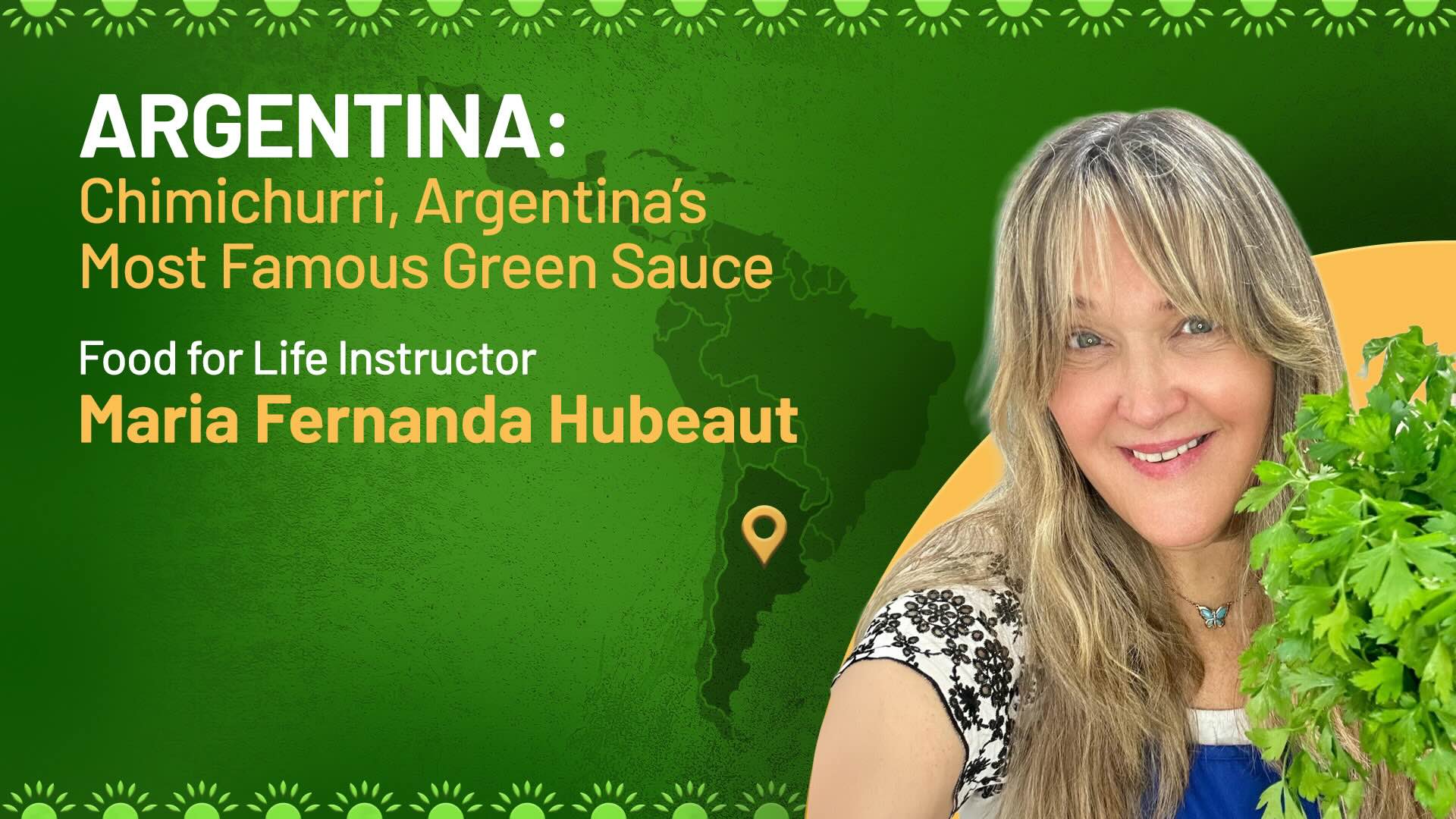
Argentina: Chimichurri, Argentina’s Most Famous Green Sauce by Maria Fernanda Hubeaut
Did You Know? Chimichurri is one of Argentina's most iconic sauces. Although its exact origin remains a mystery, it is believed to have emerged in the 19th century, influenced by European immigrants who combined parsley, garlic, oregano, and vinegar to enhance the flavor of foods. Today, chimichurri is also a delicious way to season roasted vegetables, potatoes, and legumes, adding bold flavor without relying on extra fat or sodium.

Chile: Porotos Granados, a Summer Treasure by Sol Gracia
Did You Know? The porotos granados (bean dish) are one of the most representative dishes of Chilean cuisine and have roots in the agricultural traditions of the Indigenous peoples. This recipe combines beans, corn, squash, and fresh basil, ingredients cultivated for centuries in the region. Besides being delicious, this combination provides plant-based protein, fiber, and vitamins, demonstrating that traditional Chilean cuisine already included complete and nutritious meals long before the concept of plant-based eating existed.

Colombia: Ajiaco, the Soup That Tells Colombia’s Story by Vanessa Sossa Sanchez
Did You Know? Ajiaco is one of Colombia's most iconic dishes, especially in Bogotá and the Andean region. Its distinctive flavor comes from a blend of three varieties of potatoes (papa criolla, yellow, and red) and the aromatic herb guasca, a traditional ingredient that gives it its characteristic aroma. Made with potatoes, corn, and vegetables, ajiaco celebrates the rich agricultural heritage of the Andes. Though the recipe changed when colonizers from Europe came to the area—adding animal products such as chicken and dairy—in its beginnings, ajiaco was a delicious plant-based dish.
See Vanessa’s IG video about ajiaco.
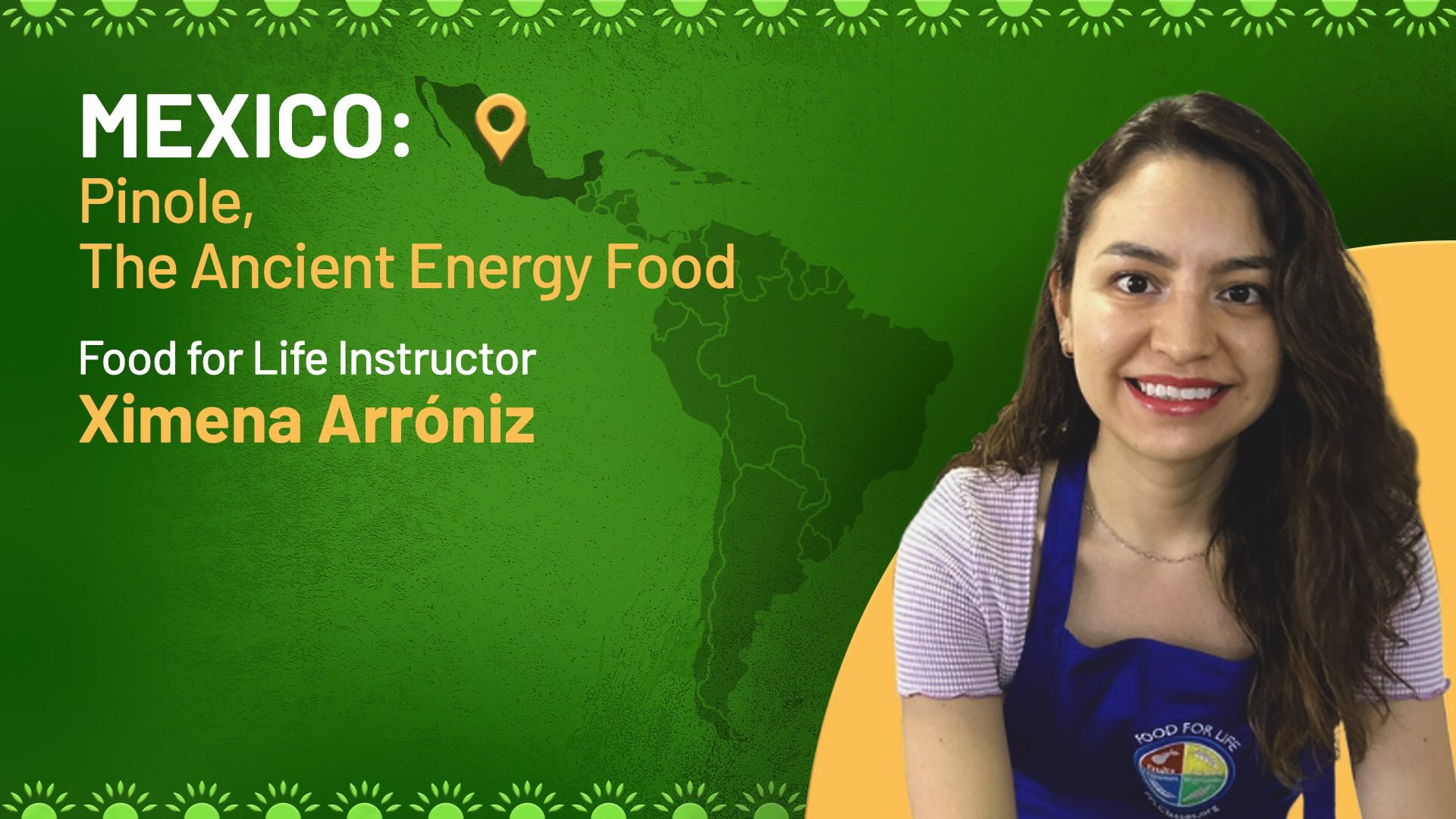
Mexico: Pinole, The Ancient Energy Food by Ximena Arroniz
Did You Know? Pinole is a traditional pre-Hispanic food made from toasted and ground corn. For centuries, the Rarámuri people of Chihuahua have relied on it as a portable, plant-based source of sustained energy, long before sports drinks and energy gels existed. Today, pinole remains a symbol of Mexico's rich culinary heritage and the lasting value of ancestral foods.

Peru: Ají Amarillo, the Ingredient That Brings Every Dish to Life by Marissa Aguayo
Did You Know? Despite its name, ají amarillo isn’t actually yellow. As it ripens, it turns a vibrant orange. It has been cultivated in Peru for thousands of years and was already part of the diet of pre-Columbian cultures long before the Inca Empire. Today, it remains one of the most iconic ingredients in Peruvian cuisine, adding flavor and color to traditional dishes such as papa a la huancaina, locro de zapallo, and causa limeña. Beyond its cultural significance, it’s a good source of vitamin C and contains plant compounds with antioxidant properties.

Dominican Republic: The Plantain, an Everyday Food by Aifra Ruiz
Did You Know? The plantain or green banana is one of the most beloved ingredients in Dominican cuisine and the star of the traditional mangú. This dish, prepared with boiled plantains and traditionally served with pickled onions, is an example of how a simple food can be both nutritious and comforting. Plantains provide complex carbohydrates, fiber, vitamin B6, and potassium, making them an excellent source of energy to start the day.

Venezuela: Arepas, an Ancestral Food Tradition by Claudia Guillen
Did You Know? Arepas have pre-Columbian Indigenous origins and existed long before the arrival of Europeans in the Americas. Indigenous peoples in the region that today includes Venezuela and Colombia cultivated and ground corn to prepare round corn cakes cooked on hot surfaces. The word “arepa” is believed to come from erepa, a Cumanagoto word for corn; the Cumanagoto people inhabited what is now eastern Venezuela. Today, the arepa remains an important symbol of Venezuelan food and culture. Filled with black beans, avocado, vegetables, or plantains, it can also become a delicious, fiber-rich, plant-forward meal that connects nutrition with centuries of culinary tradition.