Skip to main content
Seitan 101: What It Is, How to Cook It, and a Look at Its Nutrition

If you’re unfamiliar, Chicken Shop Date is a popular interview series hosted by Amelia Dimoldenberg that pairs celebrity guests with playful conversations over a casual meal. During McCartney’s appearance, however, one menu choice may have stood out to viewers: Instead of chicken, he opted for seitan.
For longtime plant-based eaters, that choice probably wasn’t surprising. But for others, it may have sparked a question: What exactly is seitan?
Pronounced say-tan, seitan is a protein-rich food made from wheat gluten. It has a hearty, chewy texture that makes it popular in everything from sandwiches and stir-fries to tacos and grain bowls. Even though it might feel like a modern plant-based trend to those unfamiliar with it, seitan has been enjoyed for centuries.
Whether you’re simply curious or looking for new plant-based protein options, here’s what to know.
What is seitan?
Seitan is a plant-based food made from wheat gluten, the main protein found in wheat. It’s been used for centuries in East and Southeast Asian cuisines, where it’s valued for its chewy, satisfying texture and ability to absorb flavor.
Unlike tofu or beans, seitan is especially known for its meaty bite. That texture is what makes it show up in dishes like stir-fries, sandwiches, and skewers.
Because it’s made from wheat protein, seitan is naturally more concentrated in protein than many plant foods. That’s part of why it often takes center stage in meals rather than playing a supporting role.
How seitan is made (and how it’s used)
At its core, seitan starts with a simple process: Wheat flour is mixed with water, then washed to remove the starch. What’s left behind is the gluten—an elastic, protein-rich mass that can be shaped and cooked.
That gluten is then seasoned and simmered, baked, or steamed until it develops its familiar firm, chewy texture.
From there, seitan becomes incredibly versatile in the kitchen. It can be:
- Sliced into sandwiches in place of deli meats
- Stir-fried with vegetables and sauces
- Cubed into stews or curries
- Grilled on skewers
- Breaded and pan-fried for a “cutlet”-style dish
One important thing to know is that how seitan is seasoned and prepared can influence its overall nutrition profile.
For example, a lightly seasoned homemade version simmered in broth will look very different nutritionally from a deeply marinated, pan-fried, or restaurant-style version that may come with added oils, sauces, or sodium-rich seasonings.
That doesn’t make one “good” and the other “bad”—it just means seitan is highly adaptable. The way it shows up on the plate often depends on what someone is prioritizing in that moment, whether that’s flavor, convenience, or specific nutrition goals.
In my opinion, that versatility is part of its appeal. Seitan can be built into a more nutrient-dense, balanced meal when paired with whole grains, vegetables, and minimally processed sauces. Or it can be prepared in a more indulgent, flavor-forward way depending on the dish. I enjoy both. That said, Temple of Seitan—the restaurant featured in the aforementioned Chicken Shop Date episode—will be seeing me next time I’m in London.
Like many ingredients, it sits on a spectrum. What you get out of it often comes down less to the food itself—and more to how it’s used.
Seitan nutrition: what to know
How much protein does seitan have?
Seitan often gets attention for one main reason: protein.
While it varies by brand and recipe, a 3-ounce serving of seitan can provide around 15–25 grams of protein, with some providing even more. For comparison, a 3-ounce serving of chicken breast provides about 25 grams of protein, while a 3-ounce serving of lean ground beef provides about 22 grams.
Among plant-based protein foods, seitan is one of the most protein-dense options available. A comparable serving of extra-firm tofu typically provides around 8–12 grams of protein, while a 3-ounce serving of tempeh provides about 15–20 grams. Beans and lentils are also excellent sources of protein, though they tend to provide less protein per ounce while contributing more fiber and carbohydrates.
That doesn’t mean seitan is “better” than these foods. Each brings something different to the table. Tofu and tempeh contain more healthy fats, while beans and lentils are especially rich in fiber. Seitan’s standout feature is simply that it packs a lot of protein into a relatively small serving.
Is seitan low in carbs?
Because seitan is made primarily from wheat gluten rather than the whole wheat grain, most of the starch is removed during production.
As a result, seitan is typically relatively low in carbohydrates, often providing around 3–8 grams per serving, depending on the recipe or brand.
This can make it appealing to people looking for a protein-rich option that is lower in carbohydrates than foods like beans, lentils, or whole grains.
Does seitan contain fat or saturated fat?
Seitan is typically low in total fat, with many varieties providing just 1–3 grams (or less) per serving.
Many seitan products also contain little to no saturated fat. That’s notable because replacing foods higher in saturated fat with foods lower in saturated fat is one dietary strategy associated with improved heart health.
Unlike foods such as tofu, tempeh, nuts, or seeds, seitan doesn’t contribute much fat to a meal. Depending on your goals, that can be either a benefit or a reason to pair it with other nutrient-rich foods.
Of course, the final nutrition profile depends on how it’s prepared. A grilled seitan skewer will look very different nutritionally from a breaded and fried seitan cutlet.
Is seitan high in sodium?
One of the biggest nutrition differences you’ll see with seitan is sodium content, especially in store-bought or preseasoned versions.
Some packaged products can be moderately high in sodium depending on how they’re flavored or prepared.
If that’s something you’re watching, a few simple strategies help:
- Check the Nutrition Facts label
- Compare brands (they vary a lot)
- Or opt for homemade versions if interested
Homemade vs store-bought
Both can absolutely fit into a balanced pattern of eating, but they offer different advantages:
Homemade seitan
- Full control over sodium and seasoning
- Flexible flavor profiles
- Often more budget-friendly
Store-bought seitan
- Convenient and ready to use
- Consistent texture
- Wide variety of flavors and styles
What does seitan taste like?
On its own, seitan is fairly neutral, but its strength is how well it takes on flavor.
The texture is what people notice first—chewy, firm, and hearty. It’s often described as one of the closest plant-based foods to meat in terms of bite.
From there, everything comes down to seasoning. Marinades, sauces, and cooking methods do most of the work in shaping its final taste. Garlic, soy sauce, smoked spices, barbecue sauce, or broth-based cooking can completely transform it.
Who should avoid seitan?
Seitan can be a great option for many people, but it isn’t for everyone.
Because it’s made from wheat gluten, it should be avoided by people with:
- Celiac disease
- Non-celiac gluten sensitivity
- Wheat allergies
For everyone else, it can be one of many protein options that fit into a varied eating pattern.
The bottom line
Seitan is a long-standing plant-based protein made from wheat gluten that has earned its place in a wide range of global cuisines.
It’s high in protein, low in fat and carbohydrates, and incredibly versatile in cooking. Like most foods, its value comes down to how it’s used, how it’s prepared, and how it fits into the broader pattern of your diet.
If this is your first time hearing about seitan, a good starting point can be picking up a store-bought version or trying a simple homemade recipe.
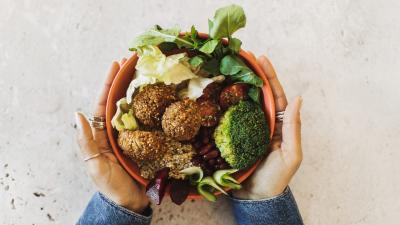
It works especially well in dishes in place of chicken, beef, or other animal proteins—think stir-fries, sandwiches, or grain bowls.
If you end up trying it, you’ll probably understand pretty quickly why it’s been around for centuries.

Xavier Toledo, MS, RD, LDN
Xavier is a plant-based registered dietitian passionate about making nutrition education engaging and accessible. He bridges the science with practical guidance, helping people translate evidence-based recommendations into simple, actionable steps for everyday life.