Skip to main content
Physicians Committee and Qureator Host Hands-On Animal-Free Biotechnology Workshop
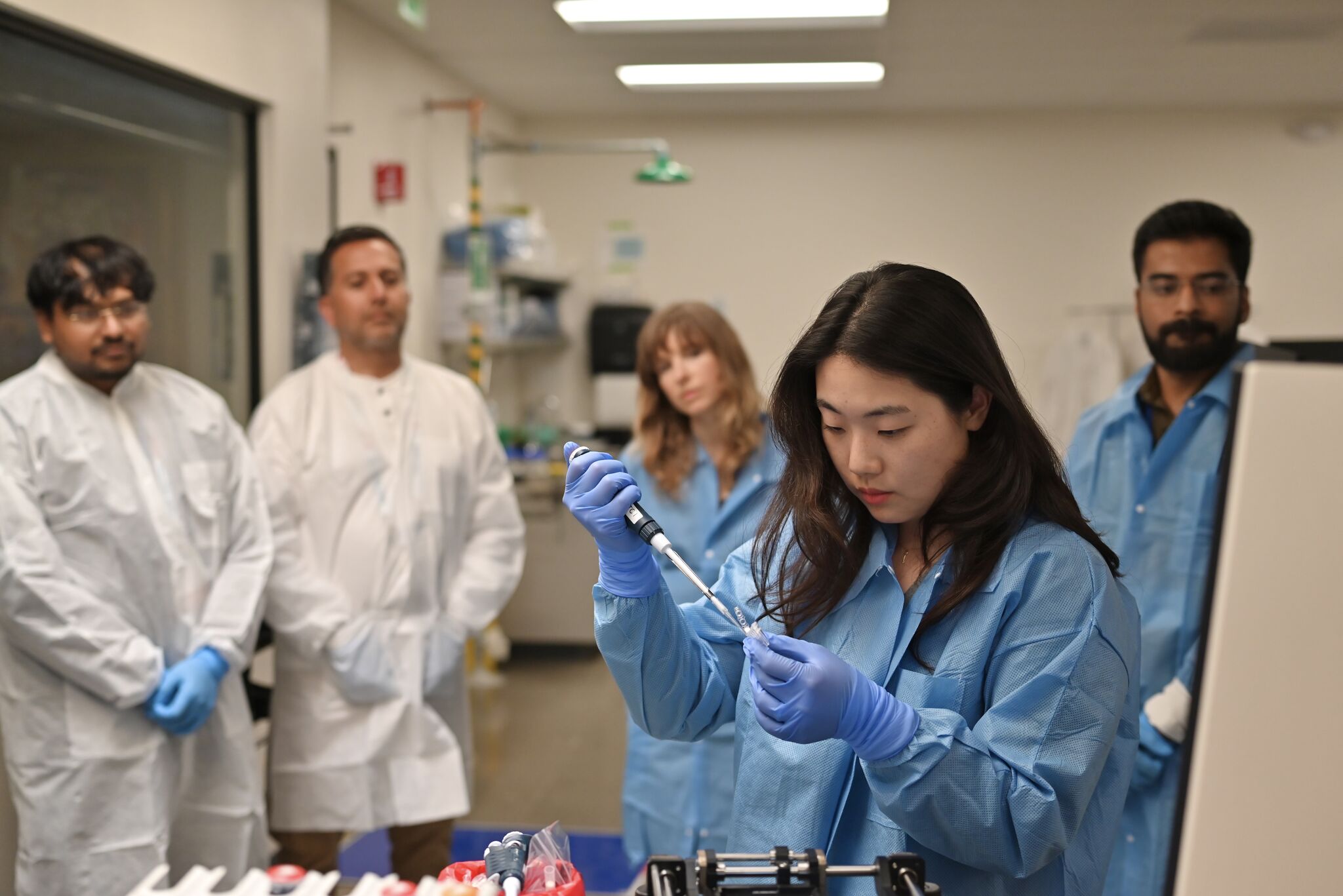
Experts from the Physicians Committee for Responsible Medicine traveled to San Diego, California, to attend the 2026 Society of Toxicology Annual Meeting to advance our work accelerating the replacement of animal testing. For the second year in a row, the Physicians Committee hosted a hands-on event with a local biotechnology company to showcase how human-based approaches are advancing science without the use of animals—this time with the innovative biotechnology company Qureator.
The Society of Toxicology Annual Meeting brings together scientists from academia, government, and industry and fosters key discussions on the future of toxicology, including the role of human-based, new approach methodologies (NAMs). On March 22, the Physicians Committee brought more than 25 attendees to the Qureator facilities in San Diego. Founded in 2020, Qureator is transforming drug discovery with their 3D organ-chip technology that empowers researchers to accurately replicate human biology, bridging the gap between preclinical models and real patient outcomes. The company was recently shortlisted for the Lush Science Prize, which recognizes research approaches that contribute to the end of animal testing.
During this educational event, participants gained first-hand experience with Qureator’s technology, toured the facility, and heard from scientists working with the models as well as leaders working to advance human-based nonanimal approaches.
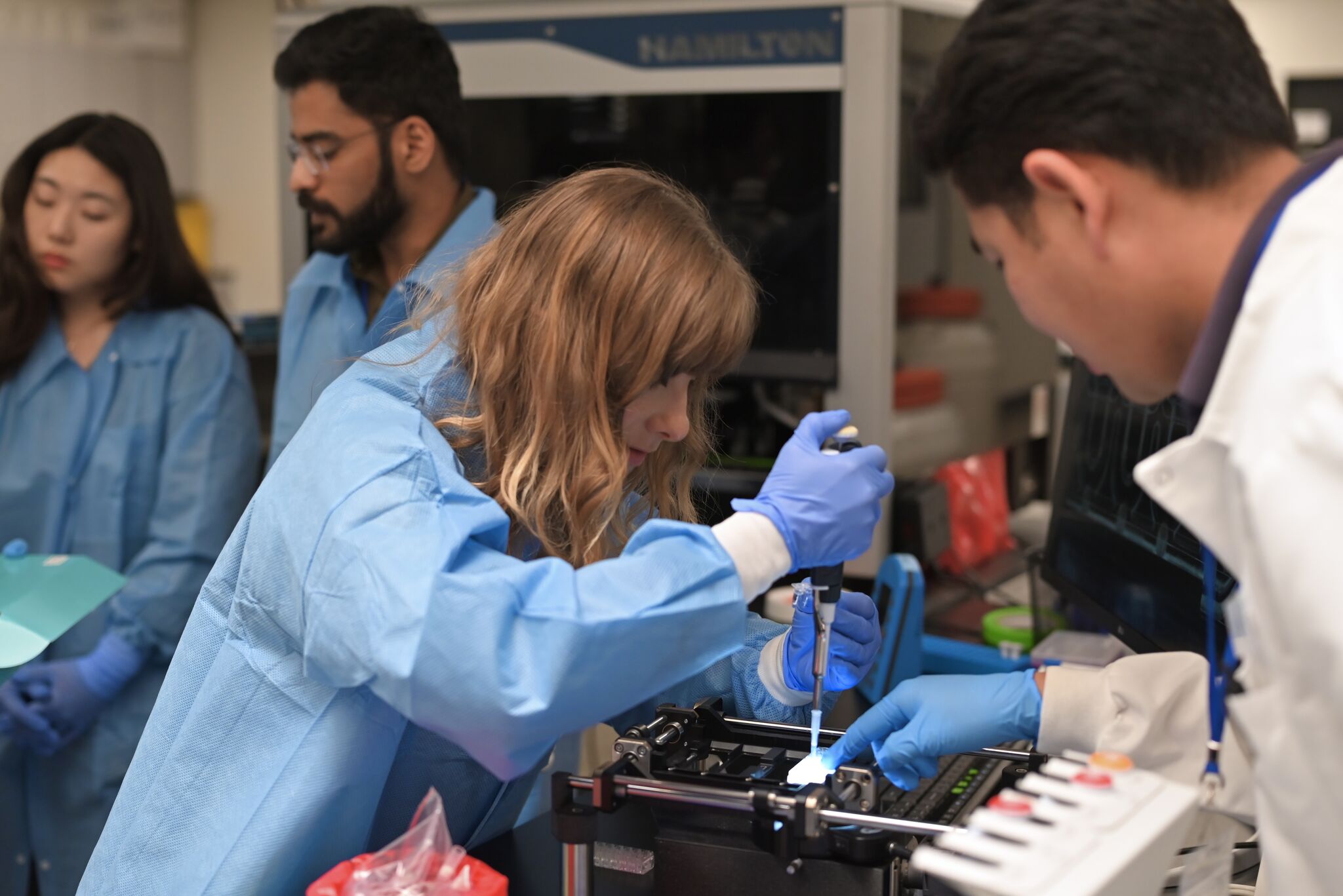
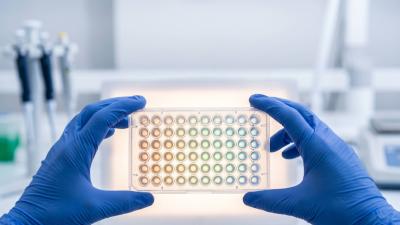
Academic, industry, and regulatory scientists and stakeholders from across the NAMs space took part in a hands-on demonstration of the initiation, automation, and analysis of organ chips. Guided by Qureator’s team of experts, the workshop participants learned how to make and test organ chips rapidly using standard, reliable, and simple robots, and then analyzed the chips to see actual human blood vessels reacting to patient-derived tumors and treatment responses using cutting-edge cancer therapies. The technical demo provided a unique opportunity for participants to use the technology that enabled the first U.S. clinical trial of a cancer therapy based only on human-based, nonanimal, efficacy data.
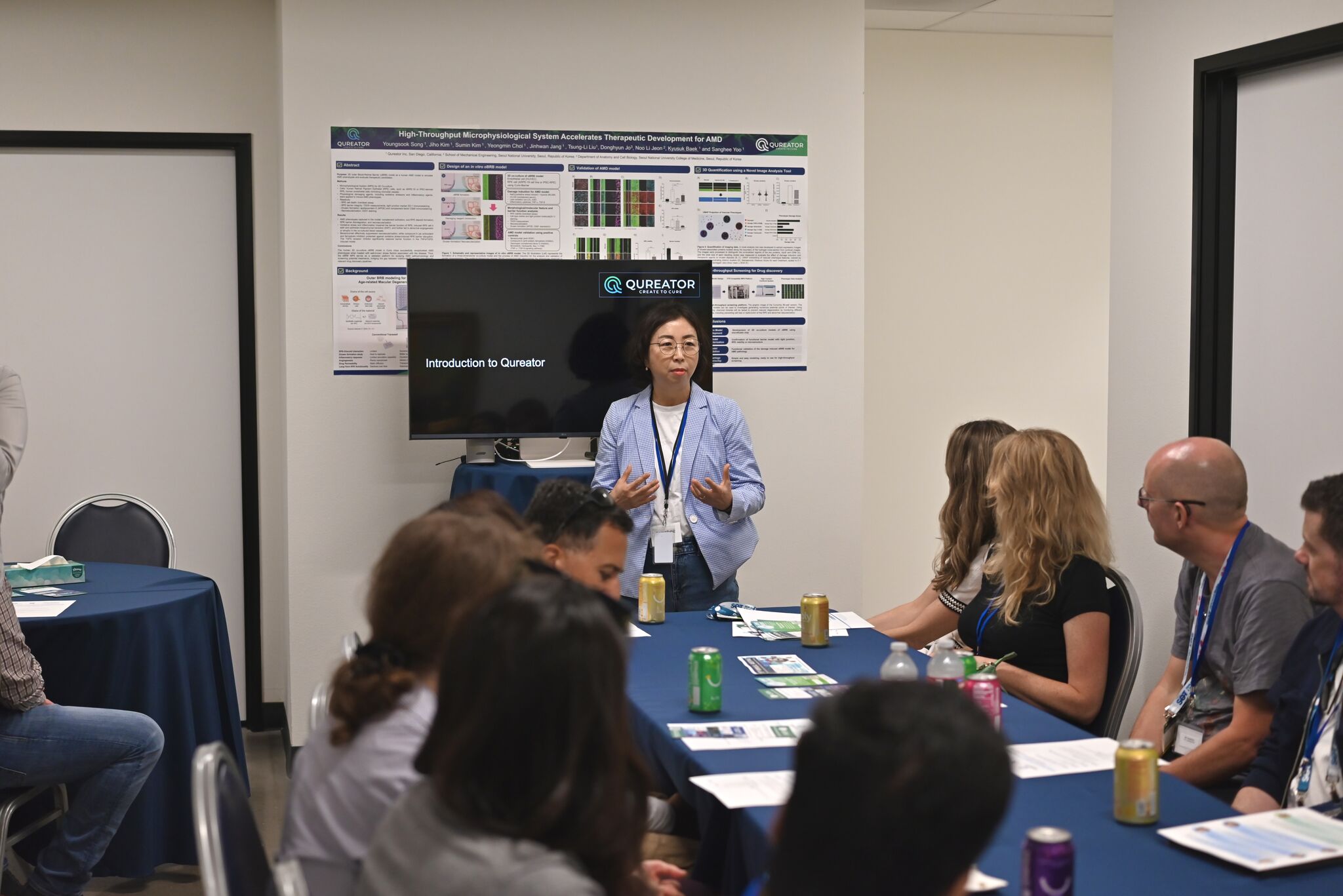
Following the time in the lab, there was a panel discission featuring Drs. Sanghee Yoo, Tsung-li Liu, and Aneesh Sathe from Qureator; Elizabeth Baker, a science policy attorney; and Janine McCarthy, the Physicians Committee’s Director of Research Policy. Panelists discussed the future of toxicological research without animals and how Qureator’s technology and other nonanimal methods are transforming regulatory science.
Traditionally, toxicological research requires subjecting animals to painful, and often deadly, experiments in an attempt to understand what may happen should a human be exposed to a chemical or take a new drug, but animal-based methods often do not translate to human relevant significance. Qureator’s NAM devices demonstrate several key advantages that animal experiments are unable to match:
- They are highly accessible thanks to fast, automated testing specifically built for standard lab automation equipment.
- They are easy to use, meaning even those who have not worked in a lab before can quickly start using these complex human-based platforms. In comparison, researchers who use animals may struggle for months or years to get usable data, while also managing animal handling risks, like injury, zoonotic infections, and compassion fatigue.
- They generate a massive amount of data that can be used to train AI and further bridge the gap to clinical trial results—demonstrating the significant role NAMs play in supporting AI-enabled medical testing.
As the United States federal government and others around the globe increasingly are moving away from animal experiments and looking toward human-based methods instead, training experiences like this are crucial. In-person events—like the one at Qureator and our upcoming Summer Immersion on Innovative Approaches in Science—as well as our online, on-demand NURA program, offer accessible training opportunities and exposure to game changing methods they may not get from any other sources. The Physicians Committee will continue building relationships with leaders in nonanimal technology development to expand training in these methods and educate the scientific community about their many benefits over animals.