Skip to main content
Monkeys Imported for Medical Research Increase Risk of Animal-to-Human Pathogen Transmission
Many of the most prominent and recent disease outbreaks have been a result of animal-to-human pathogen transmission, including HIV, Ebola, mpox, and COVID-19. A new study published in Science by a collaboration of researchers from the United States and Switzerland found that wildlife trade is a major contributor to infectious disease outbreaks in humans.
Researchers looked at more than 2,000 traded mammal species and found that among those traded, 41% share at least one pathogen with humans, compared to only 6.4% among those not traded. The time a species spends in trade further contributes to the risk: For every ten years a species is in trade, it shares one additional pathogen with humans. Moreover, live animals and those traded illegally have an increased risk of sharing pathogens with humans. Colin Carlson, an epidemiologist at the Yale School of Public Health and one author of the paper, stated, “Our study is the strongest evidence to date that reducing wildlife trade will reduce pandemic risk.”
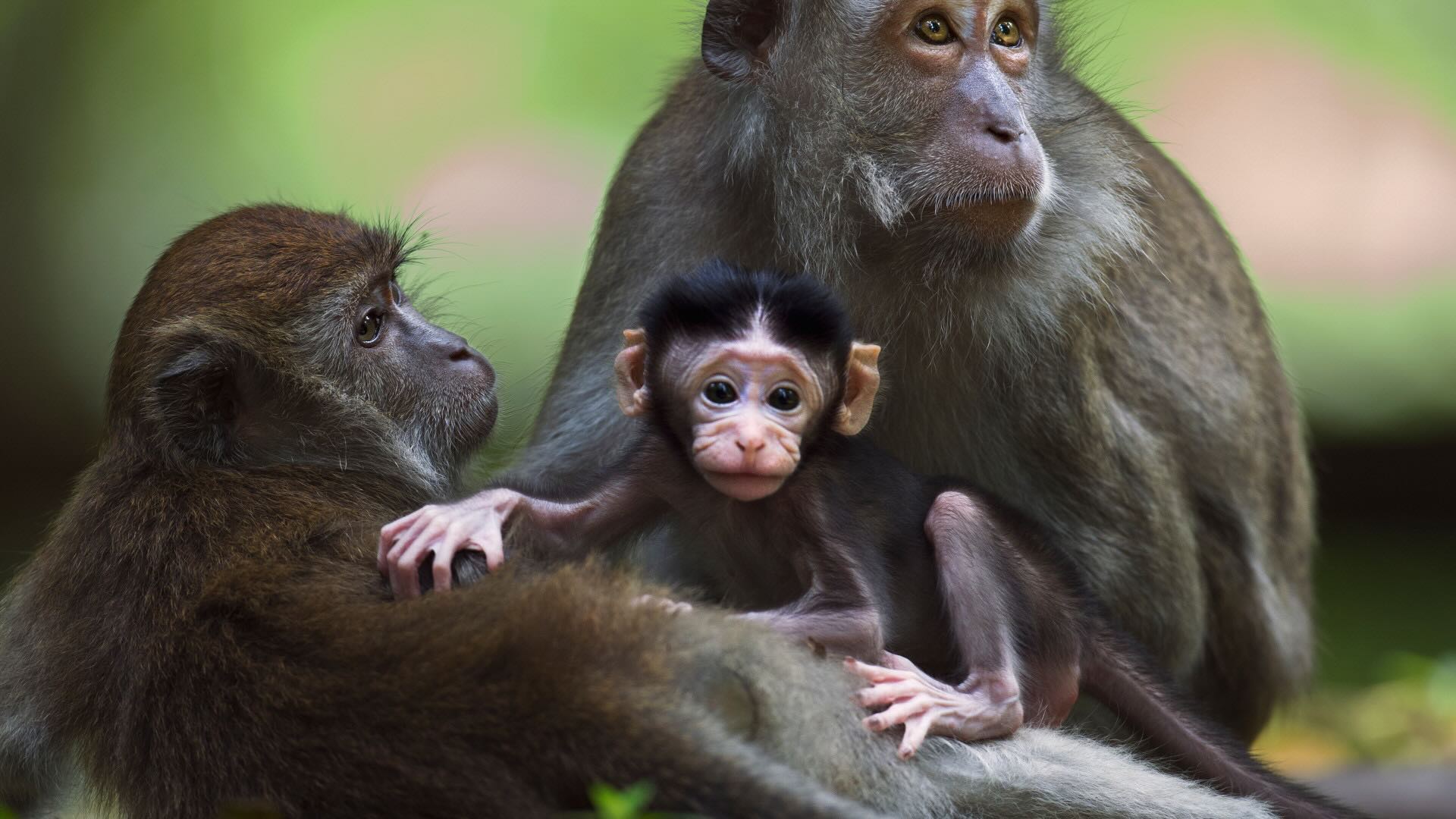
Medical research is one sector of wildlife trade contributing to this public health risk. Each year, many of the approximately 100,000 monkeys—including macaques, baboons, and marmosets—held and used in research facilities for experiments in the United States are imported from overseas. Multiple aspects of importing monkeys into the United States create opportunities for close contact between monkeys and humans, allowing pathogens to jump between species. The animals come from factory-farm-like breeding facilities or are illegally taken directly from the wild, and they are kept and transported in stressful, unhygienic, and cramped conditions. As noted in the study, these factors exacerbate infectious transmission risk.
The continued importation of monkeys for research creates an unnecessary public health risk, but human-based approaches can better replicate human biology than monkey experiments, improve clinical relevance, and save these animals from a life in captivity. The Physicians Committee works to replace the use of monkeys in medical research and regulatory testing with ethical and effective human-based approaches. Legislation was recently introduced that would end the importation of monkeys into the United States for research, which would reduce the infectious risks associated with the wildlife trade. Help us protect public health and monkeys by asking your U.S. representative to support and cosponsor the Preventing Risky Importation of Monkeys to Avoid Toxic Exposures Act, or PRIMATE Act.