Skip to main content
Physicians Committee Calls on NIH to Implement Key Fiscal Year 2026 Congressional Directives
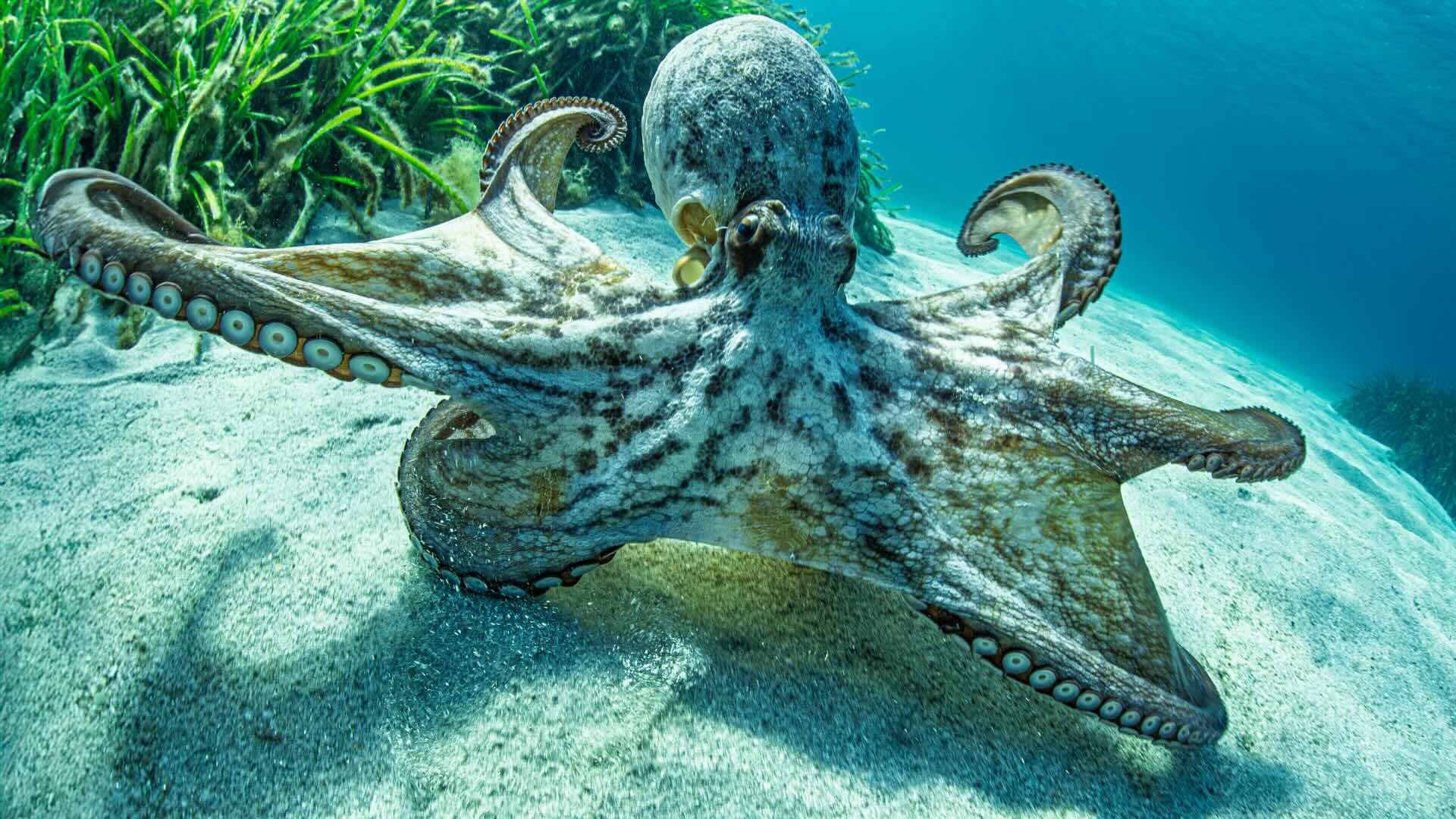
Following recent congressional directives in the Fiscal Year 2026 Labor–HHS appropriations package, the Physicians Committee for Responsible Medicine sent a letter to the National Institutes of Health (NIH) director, Dr. Jay Bhattacharya, urging the agency to take immediate action to implement these provisions.
The letter outlined several priority steps the NIH should take to align its funding and policies with congressional intent and accelerate the transition to human-based research.
Prioritize Human-Based Mental and Behavioral Health Research
Congress directed the NIH to limit funding for grants involving the forced swim and tail suspension tests, while encouraging the agency to continue increasing support for human-specific mental and behavioral health research. In our letter, we called on the agency to completely discontinue funding for these ineffective and wasteful tests and instead prioritize human-based approaches for mental and behavioral health research.
Update the Public Health Service Policy on Humane Care and Use of Laboratory Animals to Include Cephalopods
For several years, the Physicians Committee has recognized the increased need for federal protections for cephalopods used in NIH-funded experiments and has continued to advocate for their implementation both with Congress and directly with the NIH.
Congress acknowledged that other countries have established oversight requirements for cephalopods used in government-funded research and encouraged the NIH to consider developing guidance for their humane care and use. However, the NIH actively funds research using cephalopods, and their use in research continues to grow, partly due to the establishment of private operations to breed and sell the animals for experimental purposes.
We urged the NIH to implement Congress’ recommendation by updating the Public Health Service Policy to include cephalopods in the definition of “animal,” ensuring these animals receive basic protections.
Support Responsible Primate Retirement, Sanctuary Infrastructure, and Facility Transition to Better Support Human-Based Research
The Physicians Committee continued our advocacy to phase out nonhuman primate research. While Congress appropriated $30 million for remodeling and updating the National Primate Research Center facilities (NPRCs), we urged the NIH to redirect these funds to renovate and adapt the facilities to be used as primate sanctuaries, support the transition of animals into sanctuary placement, and invest in infrastructure for human-based, nonanimal research. These recommendations are in line with a recent NIH policy change that allows recipients to charge costs associated with the rehoming or retirement of animals, as well as a key agency strategic plan that recently outlined a vision focused on human health, including priorities to expand infrastructure and support systems for human-based model development and application.
Our letter also recommended the agency update existing funding opportunity announcements that provide grants to the NPRCs to encourage the development and use of human-based, nonanimal methods in place of nonhuman primates.
Reinforcing NIH’s Shift Toward Human-Based Research
The NIH has taken meaningful steps to shift away from animal experimentation. In 2025, the agency announced its intention to prioritize human-based research methods and reduce the use of animals in research. Last week, Dr. Jay Bhattacharya testified in front of the House Labor-HHS Subcommittee, highlighting additional opportunities to advance nonanimal research methods and reduce animal use at the NIH. Following his testimony, the agency announced a $150 million investment in human-based research, which our experts say will help the agency meet its animal reduction goals.
The Physicians Committee will continue working with the NIH and Congress to ensure these directives are fully implemented and expanded in future funding cycles.