Skip to main content
Congress Urges NIH on Forced Swim Tests and Cephalopod Oversight Following Physicians Committee Advocacy
Congress made meaningful strides in this year’s National Institutes of Health funding bill by directing federal spending away from the forced swim and tail suspension tests and calling for strengthening research protections for cephalopods.
Congress passed the Fiscal Year 2026 Labor, Health and Human Services, Education, and Related Agencies appropriations bill this week, securing several important wins championed by the Physicians Committee. These directives build on recent progress at the NIH to prioritize human-based research and reduce animal use.
The language below outlines the steps that Congress now expects the agency to take.
Ending the Forced Swim and Tail Suspension Tests
The forced swim and tail suspension tests are stress-invoking animal experiments historically used to measure the efficacy of antidepressant drugs. In these tests, animals are placed in inescapable environments—either submerged in a container of water or suspended upside down by their tails—and the length of time that the animals fight for their lives is interpreted as a measure of “despair” or treatment efficacy. However, these tests consistently fail to provide predictive data that are translatable to human mental health outcomes, making them scientifically unreliable and raising grave ethical concerns.
Congress acknowledged these tests are knowingly banned or have been limited in several other countries due to scientific and animal ethics concerns. The final bill urges the NIH to discontinue funding for the forced swim and tail suspension tests and encourages increased support for human-specific mental and behavioral health research, including imaging, epidemiological, clinical, computational, and cell-derived approaches.
Advancing Research Protections for Cephalopods
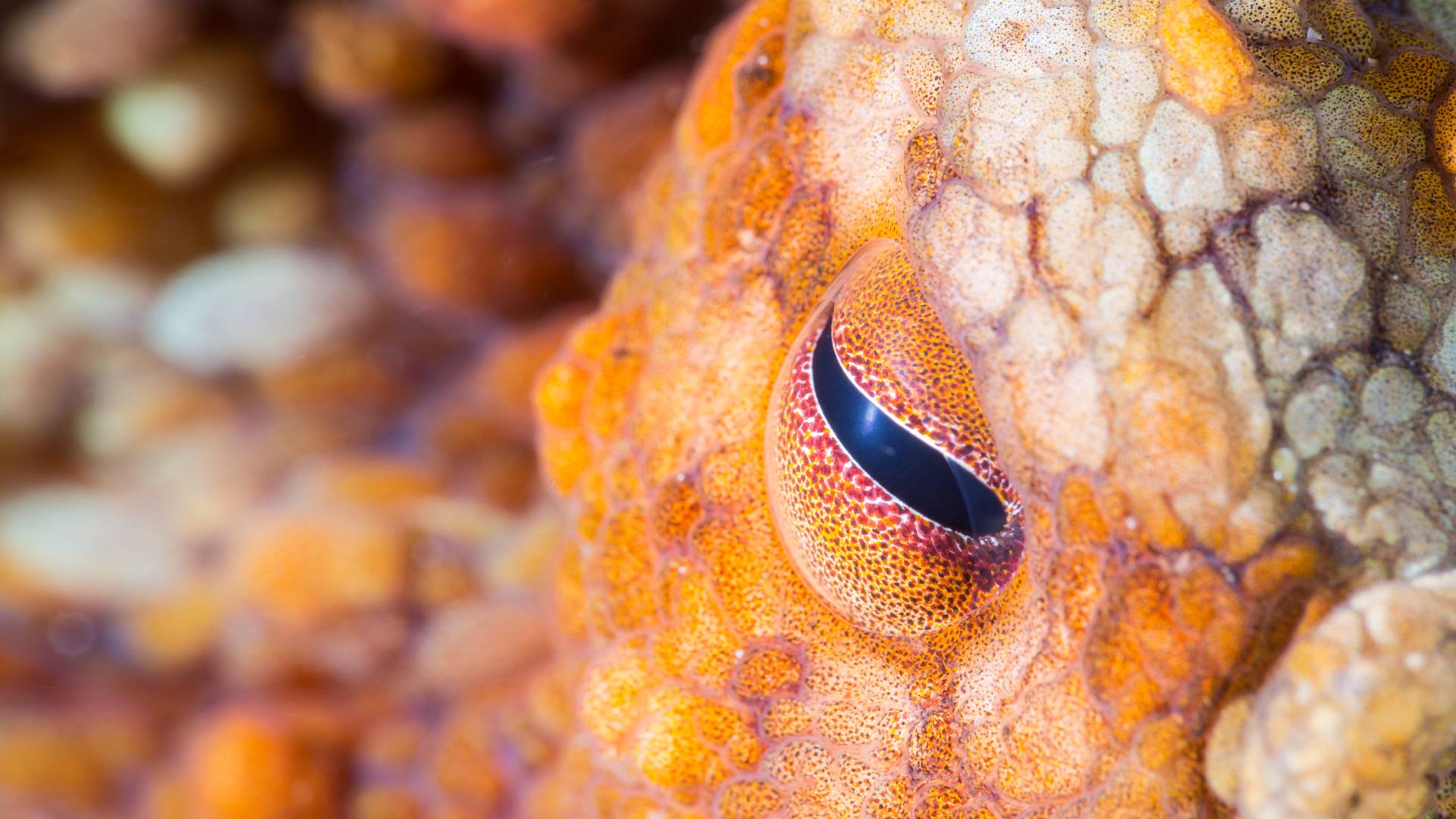
Cephalopods, including squids, octopuses, cuttlefishes, and nautiluses, are a highly intelligent class of marine invertebrate animals capable of experiencing pain, distress, and suffering. The NIH actively funds experiments using cephalopods, and as their use in research grows, the lack of federal oversight and protections becomes ever more concerning.
For several years, the Physicians Committee has recognized the increased need for federal protections and has continued to advocate for their implementation both with Congress and directly with the NIH.
In the FY26 appropriations bill, Congress acknowledges that other countries have established oversight requirements for cephalopods used in government-funded research and encourages the NIH to consider developing guidance for the humane care and use. This includes the possibility of expanding the definition of “animal” in the Public Health Service Policy to explicitly include cephalopods—an important step toward aligning U.S. research standards with current scientific understanding.
Looking Ahead
The Physicians Committee worked closely with members of Congress to secure these strong directives. These provisions are progress, but there is more to do to ensure animal experiments are replaced. For instance, despite strong congressional support for advancing nonanimal methods and the NIH’s commitment to doing so, Congress still provided funding for National Primate Research Centers under this bill. The Physicians Committee will continue working with Congress and federal agencies to phase out animal use and advance superior human-specific approaches.