Skip to main content
Swapping Animal Protein for Plant Protein, Not Cutting Protein Overall, Linked to Weight Loss in New Randomized Trial
Secondary analysis of a 36-week cross-over trial finds that shifting protein source from animal to plant, on a low-fat vegan diet, tracked with weight loss, while a Mediterranean diet with similar animal protein intake showed no change
WASHINGTON, D.C. — Overweight adults who traded animal protein for plant protein on a low-fat vegan diet lost weight in a randomized, cross-over clinical trial, while a Mediterranean diet, despite comparable emphasis on fruits and vegetables, produced no significant change in either protein intake or body weight, according to new research published in BMJ Nutrition, Prevention & Health.
The findings, from a secondary analysis of a trial conducted by researchers at the Physicians Committee for Responsible Medicine, suggest that where dietary protein comes from may matter more for weight management than how much of it people eat.
“Patients are constantly told to worry about getting enough protein,” said Hana Kahleova, MD, PhD, senior study author and director of clinical research at the Physicians Committee for Responsible Medicine. “What this trial suggests is that the more useful question isn’t how much protein you’re eating, but where it’s coming from. When our participants shifted from animal to plant protein, the weight came off, without anyone counting calories.”
How the Trial Worked
Researchers followed 62 overweight adults in Washington, D.C., who were randomly assigned to a low-fat vegan diet (fruits, vegetables, whole grains and legumes, with no animal products) or a Mediterranean diet modeled on the PREDIMED protocol (rich in vegetables, fruit, legumes, fish, nuts, and extra-virgin olive oil, with lean white meat favored over red meat) for 16 weeks. After a four-week washout period, each participant crossed over to the other diet for another 16 weeks. Neither group was told to restrict calories. Fifty-two of the 62 participants (84%) completed the full 36-week trial, and three-day food records were analyzed at each study visit by a registered dietitian.
Key Findings
- On the vegan diet, total protein intake fell by an average of 33.3 g/day, animal protein fell by 47.7 g/day, and plant protein rose by 14.4 g/day, all significant shifts. None of the three changed significantly on the Mediterranean diet.
- Across both diets, participants whose animal protein intake fell the most, and whose plant protein intake rose the most, lost the most weight. Changes in total protein and animal protein correlated positively with weight change (more protein, less weight lost), while changes in plant protein correlated negatively (more plant protein, more weight lost).
- Reductions in four specific amino acids—isoleucine, lysine, methionine, and tyrosine, which are all more concentrated in animal protein—also correlated with greater weight loss.
The parent trial, published in 2022, found that participants lost an average of 6.0 kg (about 13 pounds) on the vegan diet, with no significant weight change on the Mediterranean diet. This new analysis digs into why: It’s the first to link that weight loss specifically to the shift away from animal protein and the specific amino acids that go with it, rather than to a drop in protein intake overall.
Why It Matters
More than a third of adults worldwide are now overweight, and diet is a first-line target for treatment. Popular advice often centers on hitting a protein target, without much attention to source. These findings add to a growing body of evidence—including a 2025 meta-analysis linking higher animal protein intake to greater obesity risk, and prior trials of plant-based diets for weight loss—suggesting that the amino acid profile of a diet, not just its protein or calorie count, may help explain why plant-based eating patterns tend to support weight loss.
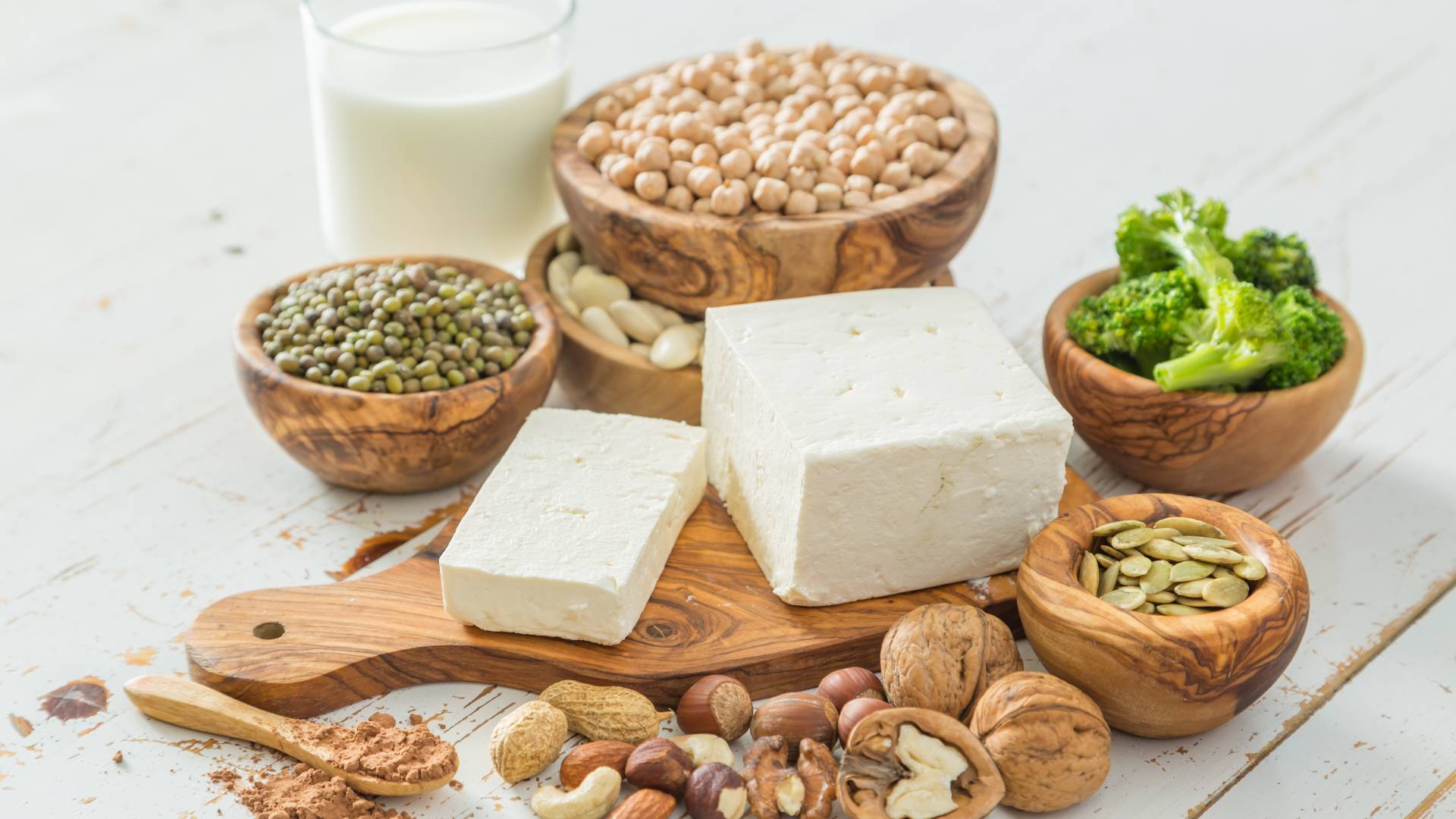
“This doesn’t mean protein is the enemy,” said Dr. Kahleova. “It means the source matters. Shifting the balance toward beans, lentils, tofu, and whole grains—and away from meat, dairy, and eggs—gave our participants a metabolic and a weight benefit they didn’t get by simply eating more vegetables on a Mediterranean-style diet.”
Physicians Committee Media Contact
Michael Keevican
202-527-7367
mkeevican[at]pcrm.org
Founded in 1985, the Physicians Committee for Responsible Medicine is a nonprofit organization that promotes preventive medicine, conducts clinical research, and encourages higher standards for ethics and effectiveness in education and research.