Skip to main content
Physicians Committee Applauds EPA for Recommitting to Replacing Animal Tests
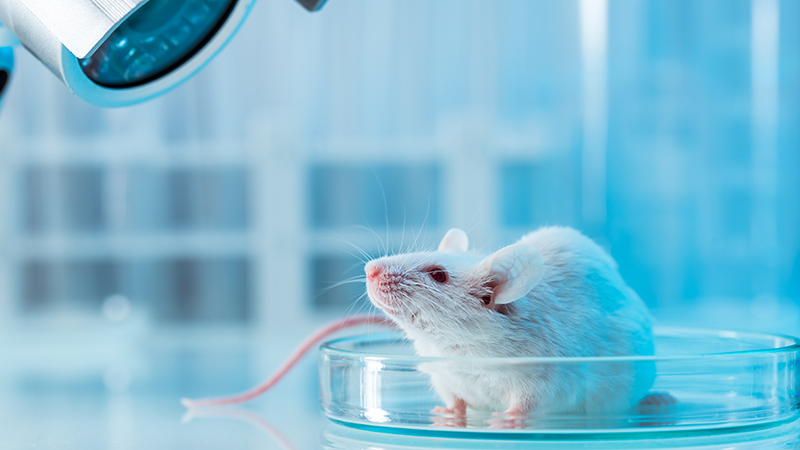
WASHINGTON, D.C. — Today, the Environmental Protection Agency announced a recommitment to drastically reducing animal testing and eliminating the use of mammalian animal testing completely by 2035. The Physicians Committee for Responsible Medicine applauds this decision by the EPA, which will help prioritize more predictive nonanimal approaches.
The Physicians Committee joined scientists from the agency and other organizations to witness the signing of the memorandum, after long supporting EPA efforts to reduce and replace the use of animals in testing with scientifically valid strategies that provide information of better quality and relevance.
Janine McCarthy, MPH, acting director of research policy for the Physicians Committee, said of the announcement, “Replacing animal tests with innovative, reliable, and more relevant methods and strategies has been a long time coming, reflecting growing scientific evidence that nonanimal methods help better predict human health outcomes. The EPA has been a leader in the development and implementation of nonanimal approaches, and today’s announcement reflects the EPA’s strong commitment to accelerating this work. The Physicians Committee has worked with the EPA to advance nonanimal testing through scientific partnerships and training, and we are proud to see this progress. This decision will accelerate the use of the best available science, protect people and the environment, and save animal lives.”
With today’s announcement, the EPA is returning to a commitment that former Administrator Andrew Wheeler made in a 2019 directive to prioritize efforts to reduce animal testing, supported by the Physicians Committee. The directive called for a 30% reduction of mammalian studies by 2025 and an elimination of all mammalian testing by 2035. It spurred the release of the EPA’s New Approach Methods Work Plan, which has guided the agency in moving beyond animal testing through tangible benchmarks, and initiated biennial conferences to provide updates and solicit input from stakeholders.
“Unless you set deadlines, you will never reach your goal, and the goal becomes meaningless,” said former EPA Administrator Wheeler during the event.
Over the past year, the Physicians Committee has pressed the agency to reinstate former Administrator Wheeler’s directive through communications to current Administrator Lee Zeldin and meetings with chemicals office leadership, urging them to restore timeframes that drive innovation and accountability—and underscoring reports that rescinding Administrator Wheeler’s deadline was followed by increased animal use and rising costs. The Physicians Committee helped to pass a bill in 2016 mandating the reduction and replacement of vertebrate animals in chemical tests, and provides trainings to regulators and the chemical industry on nonanimal methods.
Traditional approaches to testing EPA-regulated chemical substances use large numbers of mammals, birds, and fish in cruel and wasteful tests. Results from animal tests often do not predict chemicals’ effects on human health—or on that of animals in the environment—due to species differences. Animal tests can take many years to conduct, making it prohibitively costly and time consuming to evaluate the safety of the large amount of chemicals still lacking sufficient toxicity data. Nonanimal technologies provide more reliable safety information in less time, helping to prevent exposure to hazardous substances and speed the introduction of safer products.
The EPA’s announcement aligns the agency with broader federal commitments to reduce and replace animal experiments by the Food and Drug Administration and the National Institutes of Health.
For more information or to speak with Ms. McCarthy, please contact Leslie Raabe at 202-527-7319 or lraabe [at] pcrm.org (lraabe[at]pcrm[dot]org).
Physicians Committee Media Contact
Leslie Raabe
202-527-7319
lraabe[at]pcrm.org
Founded in 1985, the Physicians Committee for Responsible Medicine is a nonprofit organization that promotes preventive medicine, conducts clinical research, and encourages higher standards for ethics and effectiveness in education and research.