Skip to main content
Best Plant-Based Iron Sources: What to Eat, What to Avoid | Dr. Neal Barnard
Nearly one-third of American adults may have some form of iron deficiency. Does that mean we should be eating more meat—or could that advice create an entirely different set of health problems?




This episode of The Exam Room™ Podcast is sponsored by The Gregory J. Reiter Memorial Fund, which supports organizations like the Physicians Committee that carry on Greg’s passion and love for animals through rescue efforts, veganism, and wildlife conservation.
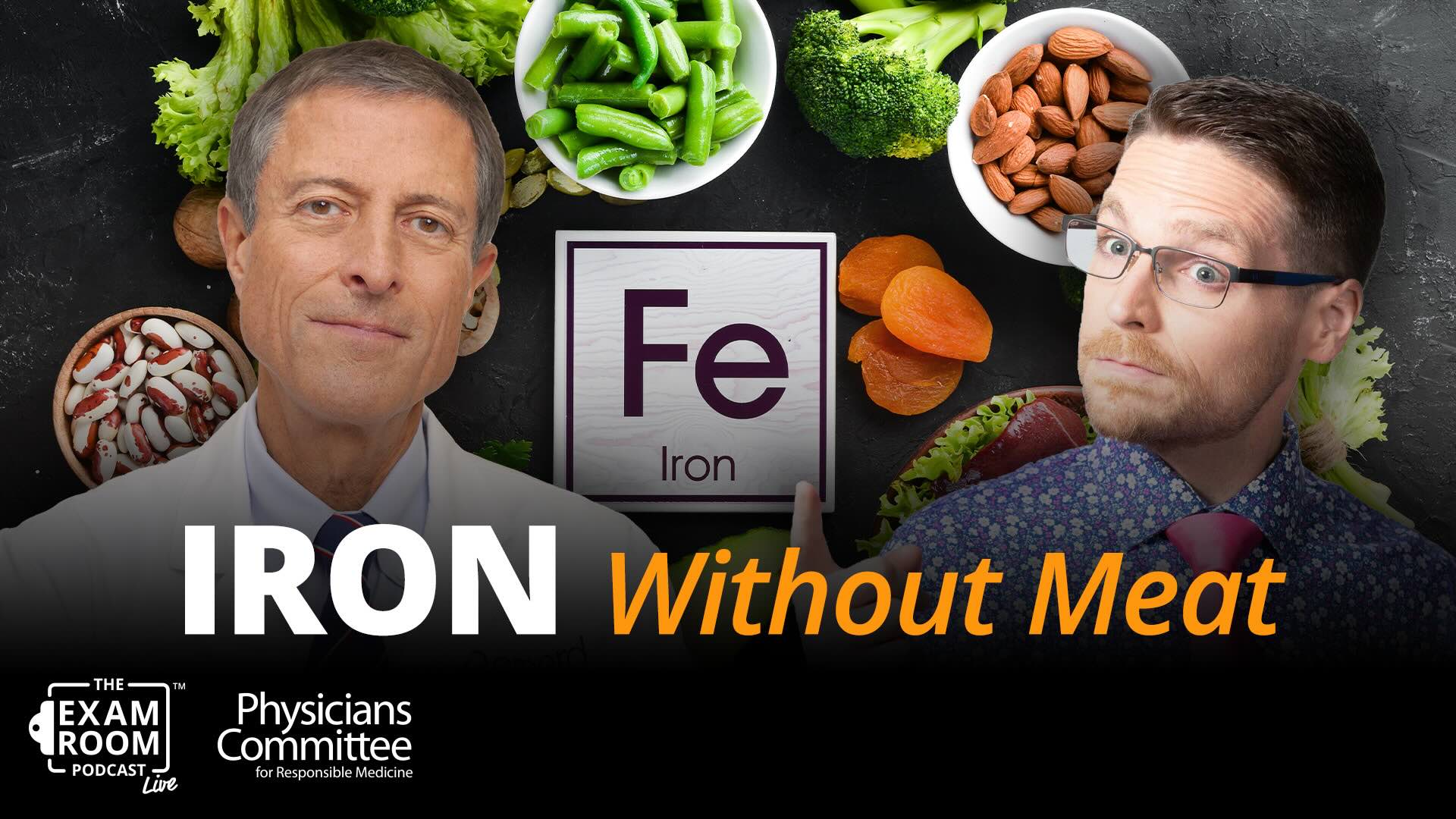
Dr. Neal Barnard joins Chuck Carroll to examine a Washington Post article recommending meat, poultry, and seafood as sources of highly absorbable heme iron. They also explore the counterargument from Dr. Jim Loomis of Barnard Medical Center, who says beans and greens are the healthier choice.
You’ll learn how to meet your iron needs while eating a plant-based diet, including the best foods, the importance of vitamin C, and common mistakes that can interfere with absorption.
Dr. Barnard also examines the complete nutritional package that comes with each source of iron. How do beans compare with beef when calories, total fat, saturated fat, cholesterol, fiber, and protein are considered? And what could the choice mean for LDL cholesterol, blood sugar, insulin sensitivity, inflammation, blood pressure, weight, and other metabolic markers?
Plus, discover the potential concerns surrounding heme iron, including its associations with colorectal cancer, cardiovascular disease, oxidative stress, and type 2 diabetes.
- Topics discussed include:
- Heme iron vs. non-heme iron
- The best plant-based sources of iron
- Beans, lentils, tofu, seeds, whole grains, and leafy greens
- How vitamin C improves iron absorption
- Ferritin, hemoglobin, and transferrin saturation
- When an iron supplement may be necessary
- The potential risks of taking iron without medical supervision
- Calories, saturated fat, cholesterol, and fiber in iron-rich foods
- Heme iron and the risks of cancer and heart disease