Skip to main content
Summer Immersion Program Prepares Scientists for Shift Toward Human-Based Research Methods
BALTIMORE, Md.—As human-based technologies become more widely used in research and testing, a training initiative aims to prepare scientists for a rapidly changing research landscape.
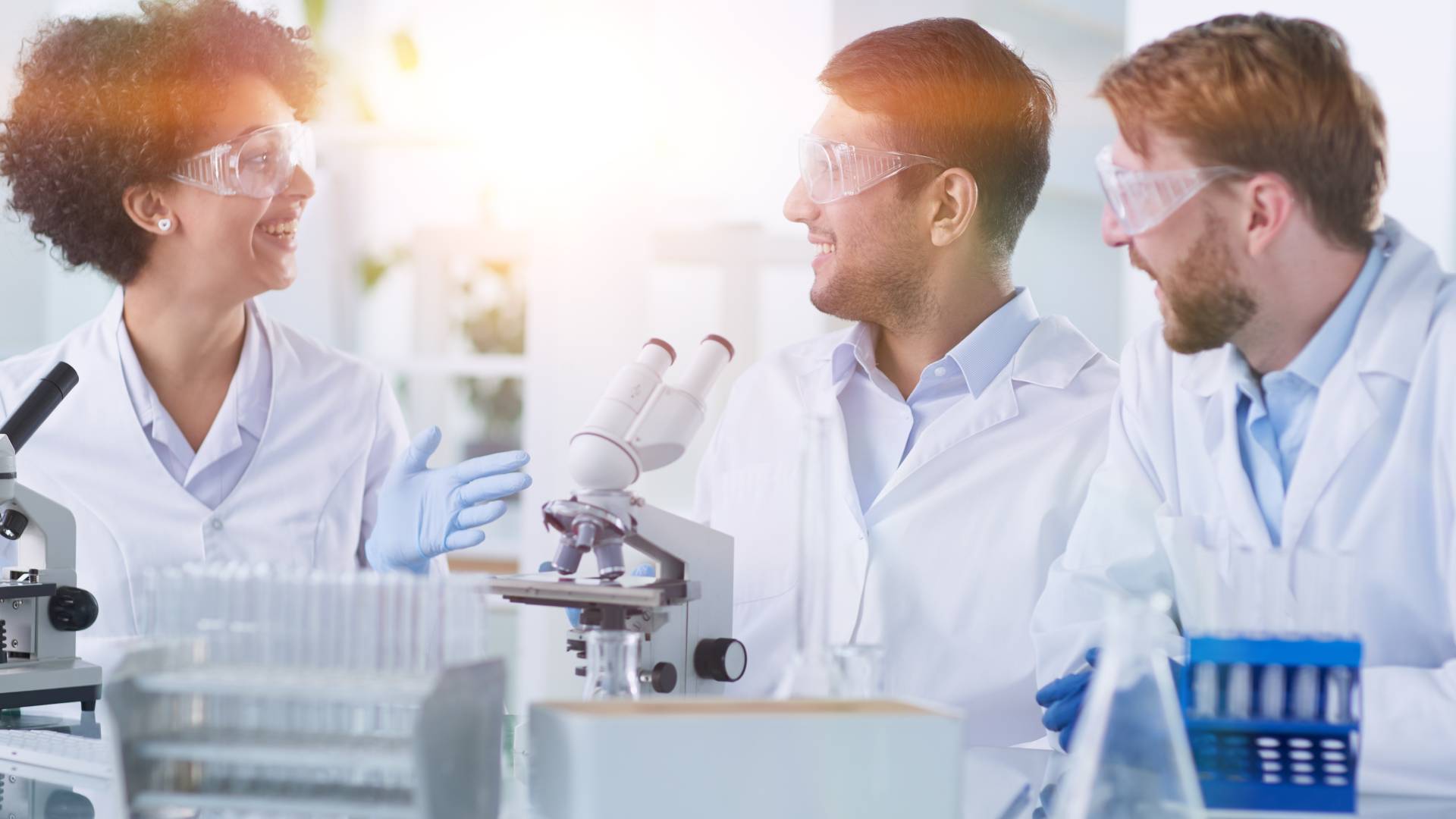
Last week’s Summer Immersion on Innovative Approaches in Science brought together students, early-career researchers, and emerging professionals for an intensive, four-day training program focused on next-generation methods that reduce reliance on animals. The program was held at the Johns Hopkins Bloomberg School of Public Health, co-hosted by the Physicians Committee for Responsible Medicine and the Johns Hopkins Center for Alternatives to Animal Testing (CAAT).
The program responds to growing demand for expertise in new approach methodologies (NAMs), which include computational toxicology and bioinformatics, high-throughput screening methods, and in vitro studies designed to improve the predictability and relevance of biomedical research.
“Scientific tools are evolving quickly, and training must evolve with them,” said Mikalah Singer, JD, LLM, science policy specialist for the Physicians Committee. “This program is designed to help researchers gain practical experience with technologies that are increasingly shaping biomedical science and regulatory decision-making.”
“We need ‘next-gen’: Next generation risk assessment, next generation validation, and, most of all, next generation training!” said Thomas Hartung, MD, PhD, director of the Johns Hopkins Center for Alternatives to Animal Testing.
Participants engaged in lectures, interactive workshops, technology demonstrations, and career development sessions. Topics included organ-on-a-chip systems, bioprinting, the adverse outcome pathway framework, and other human-based approaches used in drug development, toxicology, and disease research.
Organizers emphasize that the program is intended not only to introduce emerging methods, but also to provide hands-on exposure that supports real-world application in academic, industry, and regulatory settings.
The initiative is tuition-free and includes travel support to broaden access for students and early-career scientists entering fields such as pharmacology, toxicology, bioengineering, and other related disciplines.
As research institutions and funding agencies expand support for human-based methodologies, organizers say workforce development is becoming a critical component of scientific progress. The Summer Immersion program is designed to help bridge that gap by equipping participants with skills aligned with emerging standards in medical research and testing.
In December, the National Center for Advancing Translational Sciences (NCATS) at the National Institutes of Health named this program a winner of the NCATS Translational Science Education and Training challenge, recognizing the Summer Immersion as an exemplary model of translation science education and training.
Additional information is available at SummerImmersion.org.
To speak with Ms. Singer, please contact Reina Pohl at 202-527-7326 or rpohl [at] pcrm.org (rpohl[at]pcrm[dot]org).
Physicians Committee Media Contact
Reina Pohl, MPH
202-527-7326
rpohl[at]pcrm.org
Founded in 1985, the Physicians Committee for Responsible Medicine is a nonprofit organization that promotes preventive medicine, conducts clinical research, and encourages higher standards for ethics and effectiveness in education and research.