Skip to main content
New JAMA Commentary Calls for Evidence-Backed Dietary Guidelines

WASHINGTON, D.C. — A new JAMA commentary says the new Dietary Guidelines for Americans give undue prominence to meat, dairy, and “bad” fat and risk the public’s health.
The Viewpoint, “When Nutrition Science is Ignored/Potential Public Health Cost of the 2025 Dietary Guidelines,” expresses concerns that the new guidelines ignored the advice of the 2025 Dietary Guidelines Advisory Committee, which emphasized limiting meat, added sugars, and high-sodium foods in favor of fruits, vegetables, whole grains, legumes, nuts and plant proteins, and, instead, release guidelines that was not based on scientific evidence.
“This is more than a scientific concern—it represents a regression in evidence-based public health policy,” the article says. “Poor diet, specifically a dietary pattern high in sodium, saturated fat, fried food, refined grains, animal protein, cholesterol, and added sugar is the leading cause of death and disability in the US, surpassing tobacco and inactivity.”
The authors urge future dietary guidelines to follow scientific-backed recommendations. When they don’t, the rationale should be explained, and any commercial or political considerations should be revealed, they wrote.
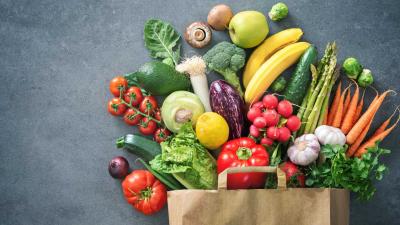
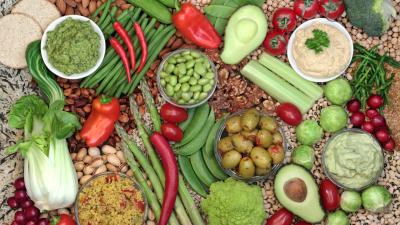
“In the meantime,” the commentary says, “clinicians, health systems, and advocacy organizations must reaffirm the science. Diets rich in whole grains, fruits, vegetables, legumes, nuts, and seeds are foundational to cardiovascular and metabolic health, and have been shown to reduce systemic inflammation and favorably influence the composition and function of the gut microbiome.”
Dr. Neal Barnard, one of the piece’s three authors and president of the Physicians Committee for Responsible Medicine, says the new guidelines should be rewritten to reflect evidence-based nutrition standards.
“As currently written,” Dr. Barnard says, “the Dietary Guidelines dangerously promote animal products, the biggest cause of chronic disease. They must be revamped to eliminate industry influence and comport with the science, which shows the healthiest diet is one that focuses on plants.”
The Physicians Committee filed a petition Jan. 8 with the Offices of Inspector General for the Department of Health and Human Services and the U.S. Department of Agriculture asking for the 2025-2030 Dietary Guidelines to be withdrawn and reissued because of rampant industry influence, including by the meat and dairy industries. Of nine authors of a new scientific report underlying the guidelines, at least seven had industry ties. The authors declared receiving research funding or other compensation from the National Cattlemen’s Beef Association, the Texas Beef Council, General Mills, the National Dairy Council, and the National Pork Board, among other companies.
Note to reporters: To arrange an interview with Dr. Barnard, please contact Kim Kilbride at 202-717-8665; kkilbride [at] pcrm.org
Physicians Committee Media Contact
Kim Kilbride
202-717-8665
kkilbride[at]pcrm.org
Founded in 1985, the Physicians Committee for Responsible Medicine is a nonprofit organization that promotes preventive medicine, conducts clinical research, and encourages higher standards for ethics and effectiveness in education and research.