Skip to main content
Dietary Guidelines Are a Mixed Bag, Show Industry Influence, Says Physicians Committee
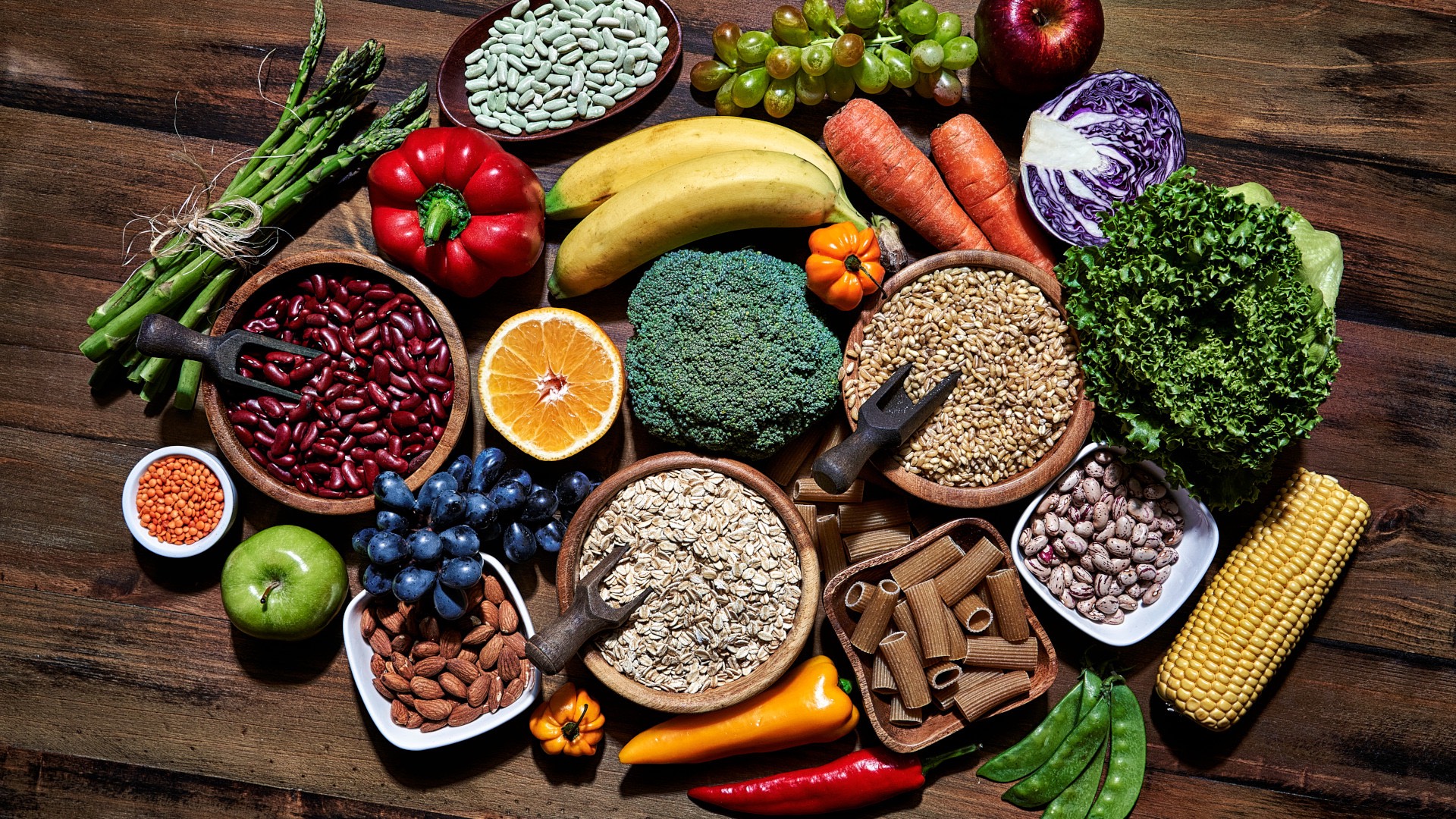
WASHINGTON, D.C. — The 2025-2030 Dietary Guidelines for Americans, released Jan. 7, score well for their streamlined approach, for limiting “bad” fat, for emphasizing fruits and vegetables, and for limiting alcohol, but need serious improvement in other areas, says the Physicians Committee for Responsible Medicine.
“The Guidelines are right to limit cholesterol-raising saturated (“bad”) fat,” says Neal Barnard, MD, FACC, president of the Physicians Committee for Responsible Medicine. “But they should spell out where it comes from: dairy products and meat, primarily. And here the Guidelines err in promoting meat and dairy products, which are principal drivers of cardiovascular disease, diabetes, and obesity.”
“The Guidelines take a sledgehammer approach to processed foods, but plant-based and vitamin-fortified processed foods actually reduce the risk of birth defects, diabetes, heart disease, and cancer,” Dr. Barnard adds.
The health advocacy group, which has 17,000 doctor members, says there are several recommendations that the DGA got right and several that should be modified to keep Americans healthy.
| The DGA are correct in: |
|
| The DGA should be modified to: |
|
Meat and dairy products are the leading sources of saturated fat in the American diet. Research shows that consuming foods and beverages high in saturated fat raises LDL “bad” cholesterol levels, which increases heart disease risk. A new report in the Annals of Internal Medicine reaffirms that saturated fat raises cholesterol and increases the risk for heart disease. The American Heart Association Presidential Advisory reaffirms the strong evidence that saturated fat raises LDL cholesterol, which is a major driver of cardiovascular disease.
The new Guidelines’ increased protein recommendation is unnecessary and could be harmful if it results in eating more protein from animals.
“Americans already get enough protein,” says Dr. Barnard. “If the Guidelines are going to push for increased protein consumption, it should come from plants.”
Plant-based processed foods are associated with reduced risk of diabetes and cardiovascular disease and are often fortified with important nutrients, such as folic acid and vitamins D and B12, while animal products increase disease risk.
“The Guidelines have unjustly condemned highly processed foods and exonerated meat and dairy products,” says Dr. Barnard. “They should have done the reverse.”
A Harvard University study, for example, showed that animal-based products were associated with 44% increased risk of diabetes, while ultra-processed cereals were associated with 22% reduced risk.
Physicians Committee Media Contact
Michael Keevican
202-527-7367
mkeevican[at]pcrm.org
Founded in 1985, the Physicians Committee for Responsible Medicine is a nonprofit organization that promotes preventive medicine, conducts clinical research, and encourages higher standards for ethics and effectiveness in education and research.