Skip to main content
More Evidence that Red Meat Increases Diabetes Risk
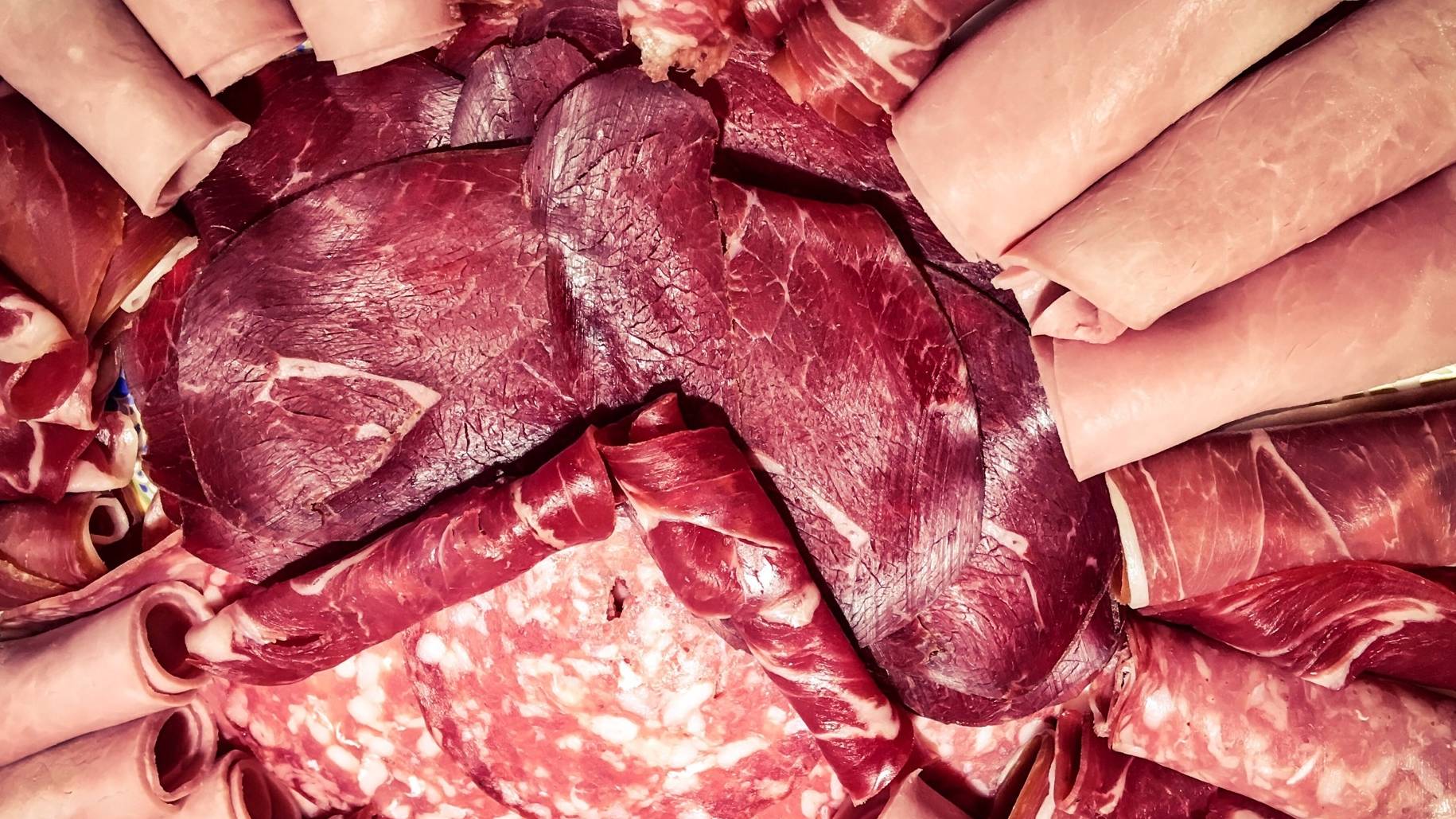
Higher red meat consumption is linked to greater risk of type 2 diabetes, according to a study of NHANES data. Of the nearly 35,000 people tracked, the group that ate the most total, processed, and unprocessed red meat had anywhere from 24-49% higher rates of diabetes than those eating the least amount of these foods. Conversely, replacing 1 serving/day of red meat with a serving of legumes (including soy), nuts, or seeds reduced the risk of diabetes by 9-14%.1 Previous studies have similarly found a link between meat and type 2 diabetes.2,3,4
References
- Ba DM, Zhang Y, Qiu T, et al. Association between red meat intake and diabetes: a cross-sectional analysis of a nationally representative sample of U.S. adults (NHANES 2003–2016). Br J Nutr. 2026:1-24. doi:10.1017/S0007114526106497
- Li C, Bishop T, Imamura F, et al. Meat consumption and incident type 2 diabetes: an individual-participant federated meta-analysis of 1.97 million adults with 100,000 incident cases from 31 cohorts in 20 countries. Lancet Diabetes Endocrinol. 2024;12:619–630. doi:10.1016/S2213-8587(24)00179-7
- O'Hearn M, Lara-Castor L, Cudhea F, et al. Incident type 2 diabetes attributable to suboptimal diet in 184 countries. Nat Med. 2023;(4):982-995. doi:10.1038/s41591-023-02278-8
- Gu X, Drouin-Chartier JP, Sacks FM, et al. Red meat intake and risk of type 2 diabetes in a prospective cohort study of United States females and males. Am J Clin Nutr. 2023. doi:10.1016/j.ajcnut.2023.08.021