Skip to main content
What Will It Take to Replace Animals in Research and Testing?
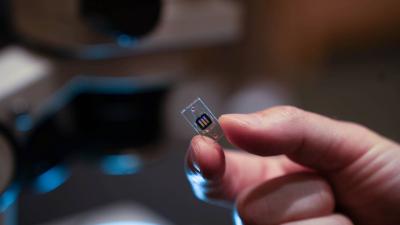
Human-based science is advancing at an unprecedented pace. Turning that progress into widespread practice requires more than just technological breakthroughs—it requires sweeping changes in policy, funding, and research culture.
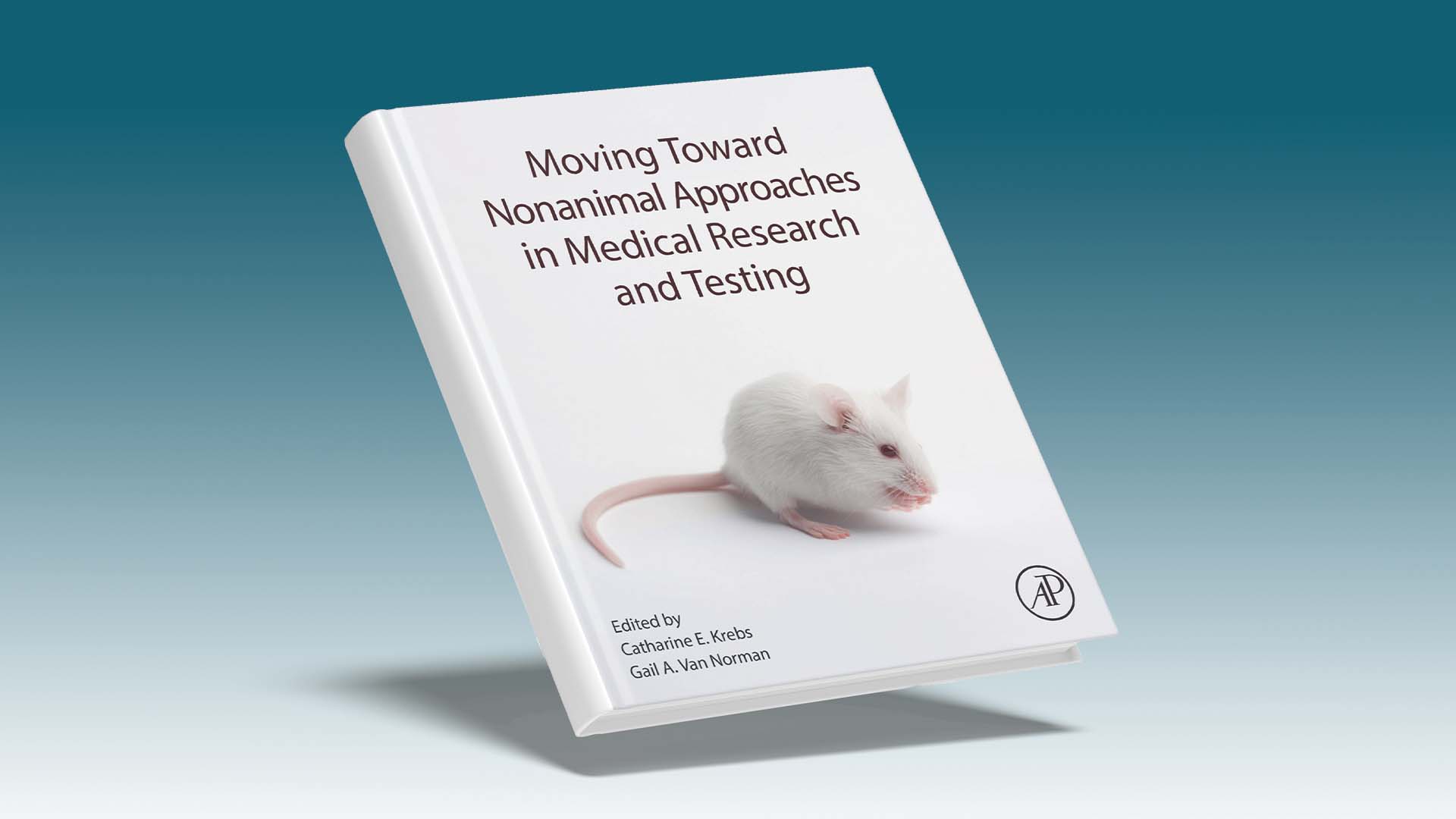
A groundbreaking new textbook, Moving Toward Nonanimal Approaches in Research and Testing, explores exactly how to make that shift happen. Co-edited by the Physicians Committee’s director of medical research, Catharine E. Krebs, PhD, along with anesthesiologist and emeritus professor at the University of Washington, Gail Van Norman, MD, this comprehensive volume brings together scientific advances and practical strategies to help build a future without animal experimentation.
An Essential Resource
Governments around the world are increasingly supportive of replacing animals, but achieving that goal is no simple task. Animals have been the subjects of experimentation for millennia. Their use is deeply ingrained in everything from the laws governing oversight and transparency to research industries, infrastructure, education, and culture.
“In the halls of academia, it’s still rare to see training or education that challenges the animal research paradigm. If anything, biology and medical students are told they must experiment on animals to succeed,” says Dr. Krebs. “This is the textbook I wish I'd been assigned during my PhD.”
The Physicians Committee is proud to have played a leading role in shaping this vital resource. In addition to her role as co-editor, Dr. Krebs lent her expertise to two critical chapters alongside other staff:
- Chapter 12: An evaluation of U.S. research and regulatory policy milestones and the remaining hurdles that must be cleared.
- Chapter 15: A deep dive into the bias that favors animal experimentation and strategic ways to overcome it.
Providing a Path Forward
The textbook serves as a single, multi-disciplinary resource providing a clear rationale to shift away from animal experimentation, the state of the science replacing it, and a pragmatic path forward. It is tailored for a wide audience, including researchers, educators, students, regulators, clinicians, advocates, and policy professionals.
The book takes readers on a journey through the past, present, and future of biomedical science:
- Part I provides the rationale to shift away from animal experimentation in historical, ethical, legal, and scientific arguments.
- Part II takes readers through cutting-edge animal-free science. We hear directly from pioneers in organ chips, organoids, 3D bioprinting, and artificial intelligence. Important chapters about biobanking and ancestry anchor the discussion about human-centered research in considerations for human subjects and health equity.
- Part III is a practical guide for achieving the shift to nonanimal research, containing chapters on topics such as unlocking funding, overcoming inertia in science policy and culture, building confidence in novel methods, and analyzing regulatory case studies.
“With all of the scientific advancements and policy progress we’ve seen in recent years, it’s more important than ever to articulate a path toward replacing animals in research and testing,” Dr. Krebs notes. “That’s what we’ve set out to do with this book.”