Skip to main content
Art Mirrors Life: Animal Experimentation Anxieties Depicted on Screen
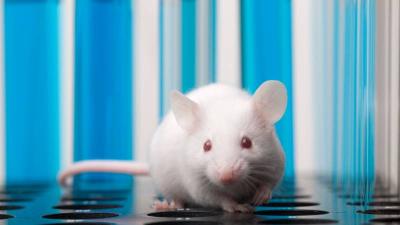
Apple TV’s acclaimed series Pluribus, which was just nominated for 18 Emmy Awards, has sparked conversations about ethical dilemmas, moral considerations, and alarming animal experimentation concerns. In the pilot episode, a rat bites a lab worker—a not uncommon occurrence in animal labs—highlighting both practical risk and the ethical tension inherent in a scientific system built on outdated models.
As my organization, the Physicians Committee for Responsible Medicine, has emphasized for years, viral infections, clinical characteristics, and drug responses often behave very differently in rats, mice, and other nonhuman animals than in humans. In Pluribus, scientists tell a facility guard that after eight months of testing macaques, rabbits, mice, and guinea pigs, none showed clinical signs of an alien virus. Shortly after, a rat bite infects a scientist, showing the animals did not model human susceptibility—an issue all too real in biomedical research.
While the alien virus and collective consciousness are science fiction, the challenges of animal testing are not. Species-specific differences in anatomy, physiology, and lifespan make replicating human disease difficult. These differences mislead research and therapeutic development. Most drug candidates that appear promising in animal tests, including drug candidates for HIV, stroke, and immune systems disorders, ultimately fail in human trials, wasting years of scientific effort and countless animal lives. Some drugs that may be safe and effective in humans are delayed or abandoned because toxicity is shown in animals. Penicillin and aspirin, fatal to common lab animals, might never have reached patients had they not been developed before animal testing was required.
Animal experimentation risks extend beyond failed therapies. Horror films like 28 Days Later depict lab chimpanzees spreading a deadly virus, echoing real-world concerns. Animal experimentation does involve forcefully infecting animals with pathogens like plague, Ebola, and smallpox. And lab monkeys do escape; eight in Mississippi, 43 in South Carolina, and 100 in Pennsylvania just in the last three years. Researchers conduct ineffective experiments on millions of animals each year, putting anyone who encounters them at risk of infection.
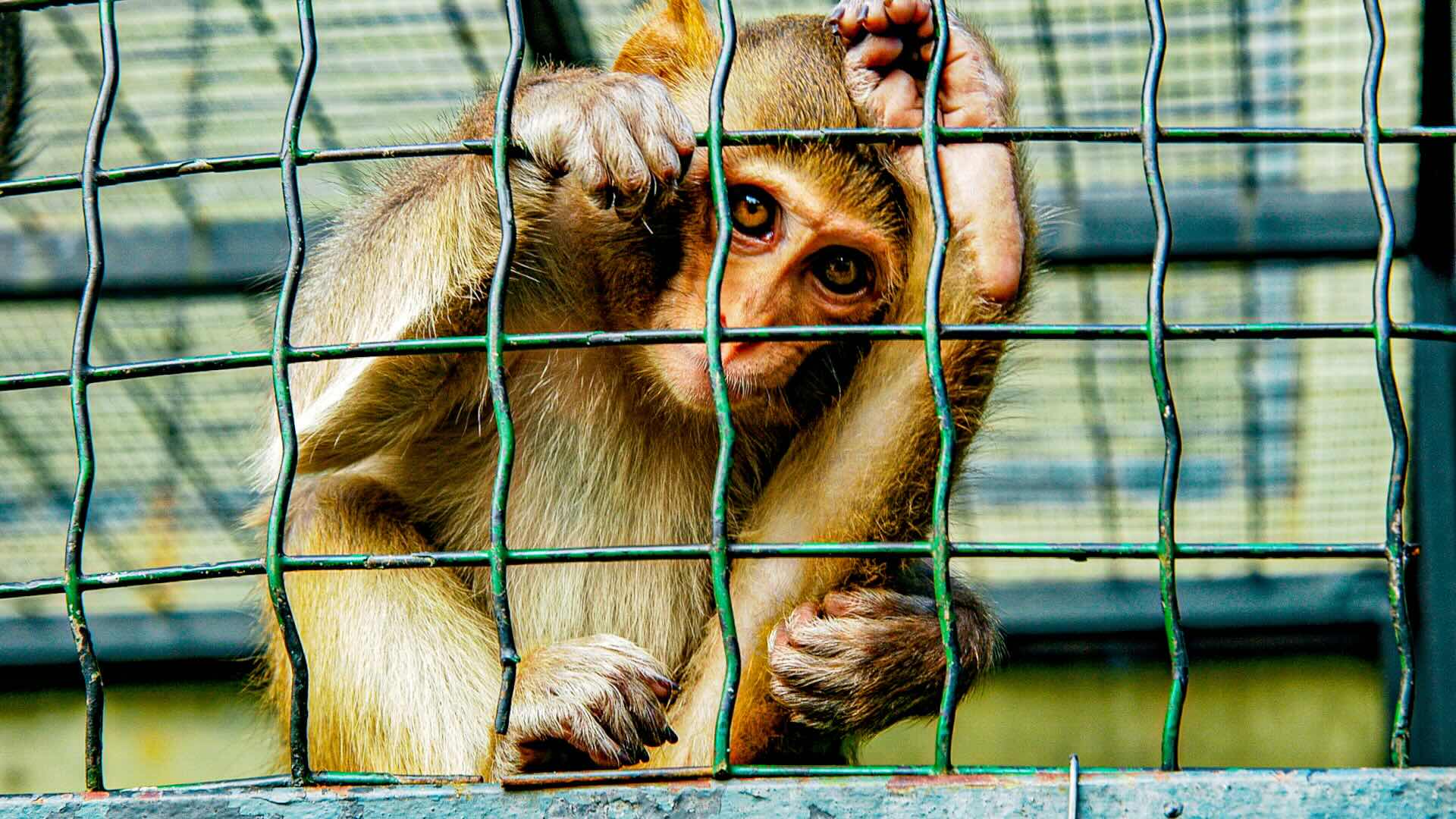
Similarly, Rise of the Planet of the Apes portrays monkeys living in laboratories, subjected to invasive procedures that cause pain and stress. In real laboratories, these conditions can trigger self-injury, pacing, and withdrawn, depressive-like behaviors in monkeys. Stress also skews experimental results, exacerbating the impact of biological species differences and further misleading drug development. Though a revolt in real life is not in the cards for these animals, the ethical imperative to end such use is gaining traction.
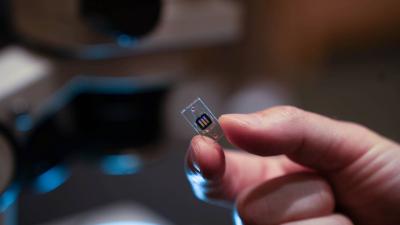
Fortunately, human-based research tools offer alternatives. 3D aggregates of human cells can replicate tissue and organ function. Alone or in concert with AI, these innovative technologies offer a clearer window into human biology and a better foundation for developing effective therapies.
Globally, regulatory bodies are pivoting: The US Food and Drug Administration and the National Institutes of Health plan to favor human-based methods, and the UK government published a roadmap for replacing animal experimentation with alternative methods.
Public opinion mirrors this shift: A 2024 Morning Consult poll found that 85% of Americans support phasing out animal testing in favor of human-based methods.
While Pluribus, Rise of the Planet of the Apes, and 28 Days Later are fiction, they depict real scientific and ethical anxieties. The global hivemind, monkey revolution, and zombie apocalypse remind us that reliance on animal experimentation is scientifically flawed and ethically fraught. Thankfully, human-relevant science is gaining recognition, promising safer, more effective medical progress. Sci-fi writers will need new dilemmas to explore.
Mikalah Singer, JD, LLM, is a science policy specialist with the Physicians Committee for Responsible Medicine, where she works to advance human-based research methods at the National Institutes of Health and to accelerate the transition of biomedical research away from animal use.