Skip to main content
Addressing Animal Methods Bias Amid Global Calls to Reduce Animal Experimentation
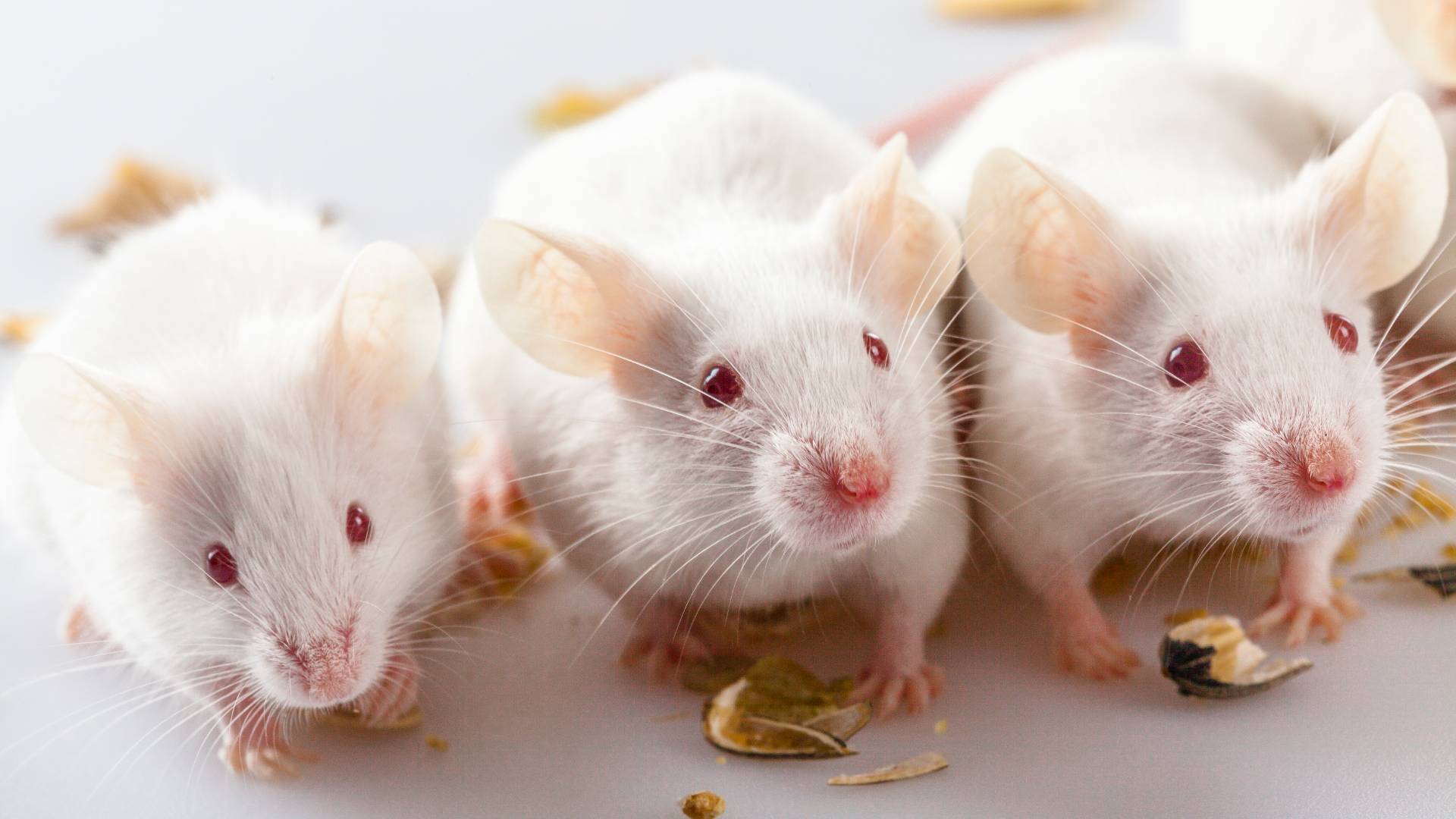
A new perspective paper authored by Physicians Committee scientists and other members of the Coalition to Illuminate and Address Animal Methods Bias (COLAAB) was just published. It discusses government-led initiatives to reduce animal experimentation and the need to address bias favoring animal use as a barrier to these efforts.
Peer review is the process of having scientific peers evaluate research for quality and rigor, but it is an imperfect system, sometimes biased by reviewers’ subjective judgments. Animal methods bias is a peer review bias where reviewers have personal preferences for animal-based research approaches, or insufficient expertise to appropriately evaluate nonanimal studies. This bias can compromise the fairness of assessments of nonanimal methods, disadvantaging researchers who use them and acting as a barrier to their broader uptake and animal reduction goals. The Physicians Committee leads the COLAAB in its mission to address this issue by systematically documenting its characteristics and consequences, and by developing and implementing strategies to overcome it.
Around the world, exciting initiatives are underway to shift medical research away from animal experimentation and toward human-based methods. For these initiatives to be successfully implemented, animal methods bias must be clearly acknowledged, understood, and combatted. The COLAAB’s most recent publication, led by Physicians Committee scientist Jessica S. Kopew, PhD, examines how animal methods bias influences the peer review of grant applications and research manuscripts, evaluates the extent to which emerging global initiatives may help mitigate this bias, and identifies additional actions needed from research agencies around the world to address the issue amid the growing transition away from animal use in science.
The Physicians Committee is committed to overcoming barriers like animal methods bias on the way toward more ethical, effective, animal-free medical research. We will continue to engage with key stakeholders, including scientific journals, researchers, and research funders, to advance this goal.