Skip to main content
SHL: Consider Skipping the Prescription and Opt for a Side-Effect-Free Way to Curb Menopausal Symptoms

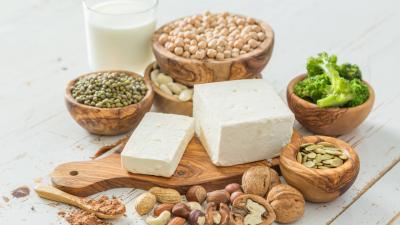
The American College of Physicians (ACP) this fall issued new guidance for women with menopausal symptoms, such as hot flashes and night sweats, that calls for hormone replacement therapy as a first line of treatment. Second- and third-line treatment options are also prescription medications. At the Barnard Medical Center, I discuss with women a side effect-free option that can work just as well to eliminate the symptoms that often disrupt work, sleep, and daily life: a whole food, plant-based diet rich in fruits, vegetables, legumes, and whole grains.
It’s a research-backed approach. A 2022 study, published by the North American Menopause Society in the journal Menopause, found that a diet intervention is as effective (88%) as hormone replacement therapy (70-90%) for reducing menopausal hot flashes, without the associated health risks. What’s more, the Women’s Study for the Alleviation of Vasomotor Symptoms (WAVS Trial), found that a plant-based diet rich in soy reduced moderate to severe hot flashes by 88% and helped women lose, on average, 8 pounds in 12 weeks.
As estrogen levels fall, the body’s internal thermostat becomes more sensitive, which triggers hot flashes and night sweats.
In addition to vasomotor symptoms, women I treat often complain of weight gain and experience metabolic changes, such as increased cholesterol and blood sugar levels, around menopause. So I also discuss with them how to use a plant-based diet as a powerful tool for weight loss and weight management.
A randomized clinical trial newly published in Menopause shows women who shifted from animal-based protein to plant-based sources such as soybeans, beans, and grains lost significant weight, even though their total protein intake remained unchanged.
A shift of ~16 grams less animal protein and ~13 grams more plant protein per day was linked to a 1-kilogram (2.2 pounds) weight loss. Importantly, these effects were independent of calorie intake, suggesting that protein source—not just energy balance—plays a key role in weight regulation.
Pivoting to a plant-based diet may be daunting for some people, but I show patients how to ease into changes with familiar, accessible foods such as in-season fruits and vegetables, whole-grain breads, pastas, and cereals, and wallet-friendly protein sources, like canned beans.
Estrogen helps maintain bone strength, so bone loss can speed up after menopause resulting in osteopenia or osteoporosis. Getting enough calcium and vitamin D is essential. Good sources include fortified plant milks, leafy greens like spinach and romaine, tofu, and sunlight for vitamin D.
Blood sugar swings can worsen fatigue, irritability, and even hot flashes in some women. Meals built around fiber-rich whole foods, with protein and healthy fats, help keep energy levels steadier through the day.
A national poll showed that most women are unaware that dietary changes like these can meaningfully reduce menopausal symptoms and improve quality of life. This lack of awareness underscores a missed opportunity in public health messaging. Rather than focusing solely on prescribing medication, we should be empowering women with knowledge and tools to take control of their health through lifestyle choices that are safe, accessible, and inexpensive.
The Physicians Committee for Responsible Medicine, including doctors at the Barnard Medical Center, has called on the ACP to amend the new guidance that asks physicians to prescribe hormone replacement therapy to symptomatic menopausal women first, but in the meantime, I am offering a new online seminar to help women weigh the pros and cons of menopausal hormone therapy, and consider the role of nutrition and exercise in the management of menopausal symptoms. I hope you’ll join us and learn more.
If you’d like to schedule an appointment with the Barnard Medical Center to discuss menopausal symptoms or other health concerns, please visit https://www.pcrm.org/barnard-medical-center/appointments/new-patients.

Vanita Rahman, MD, DipABLM
Dr. Vanita Rahman is a board-certified internal medicine and lifestyle medicine physician, certified nutritionist, and personal trainer. She earned her undergraduate and medical degrees from the University of Virginia, completed her internal medicine residency at the Washington Hospital Center, and has authored several books on plant-based nutrition.